KOLKATA
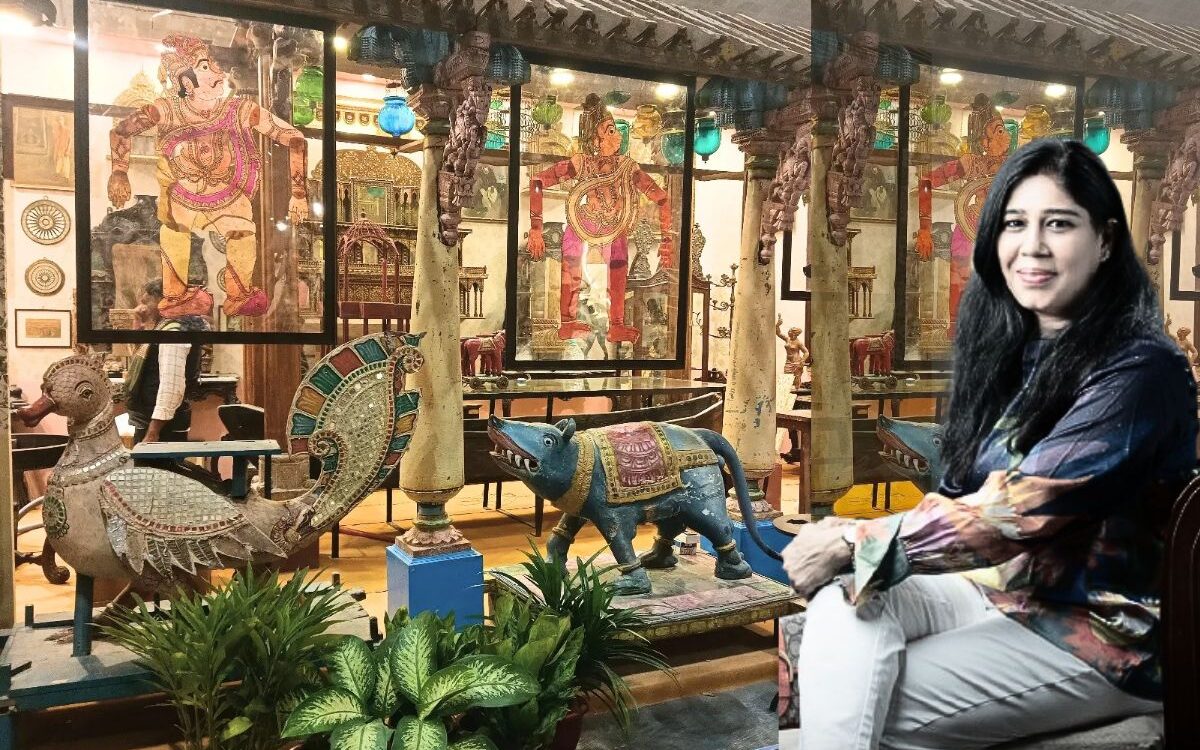
There is a certain pleasure in owning something that has had a life before yours. A cabinet that has witnessed generations of domestic rituals, a chair fashioned according to the social etiquette of another century, or an object whose original purpose has almost been forgotten. Such possessions bring a degree of intrigue to a home that no amount of contemporary shopping can quite achieve. And it is precisely this fascination with the past that makes Jamun Tree such an interesting destination for collectors.
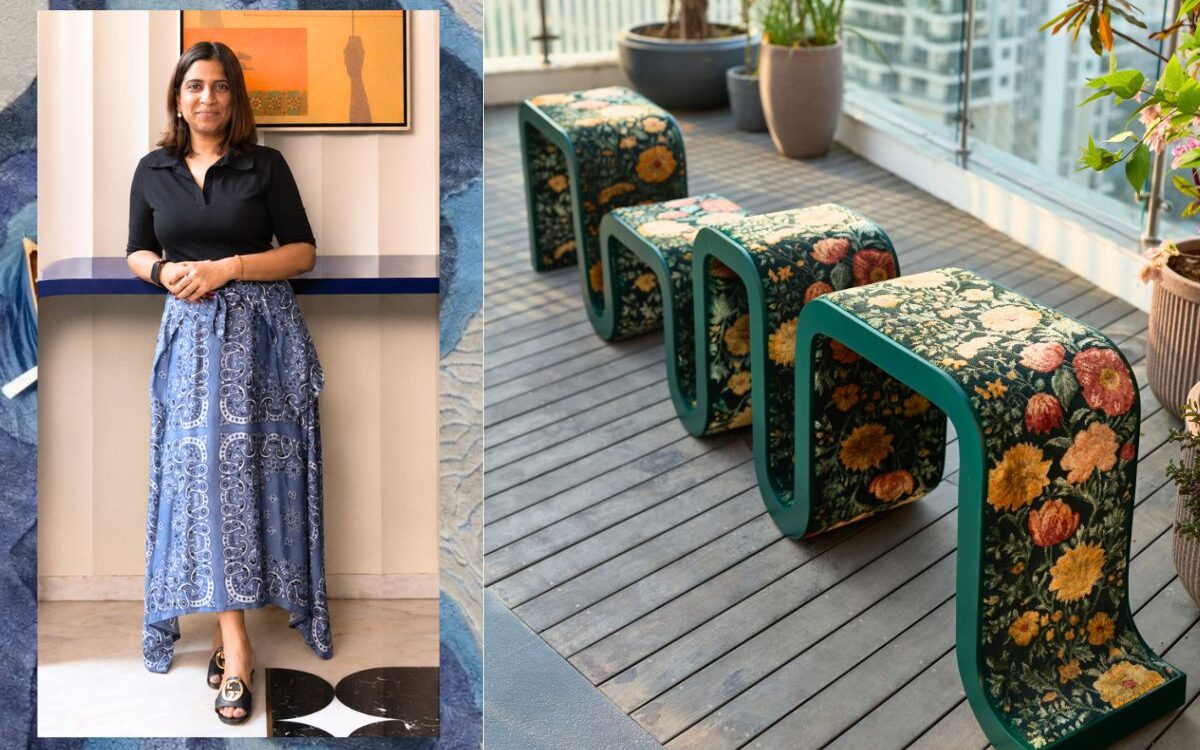
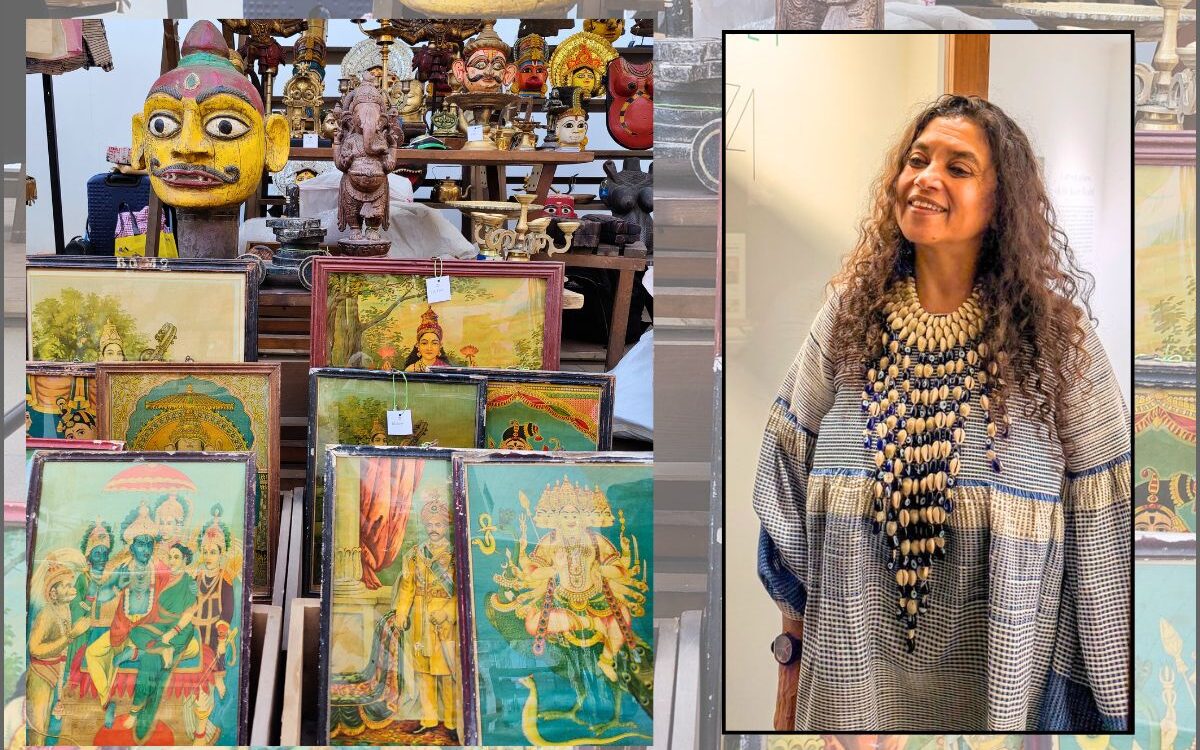
Headquartered in Kolkata, the brand marks the Tewari family’s entry into Indian retail following six decades of international trade. Established by second-generation dealers and led by founder Sweta Tewari, its collection offers a fascinating study of India’s decorative history, particularly the exchange of artistic ideas across cultures and continents.
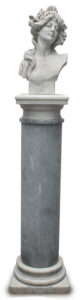
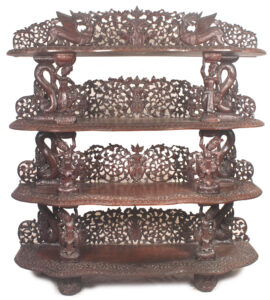
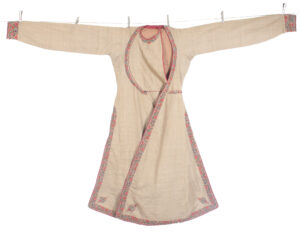
British, Dutch and Portuguese colonial-era furniture sits alongside significant Hindu and Islamic works. Viewed together, these pieces reveal how different cultural influences shaped Indian craftsmanship, from the proportions of furniture to the intricacies of ornamental detailing.
Tewari brings an internationally informed eye to the business. Her extensive travels and associations with leading interior decorators and designers across Europe and the United States have influenced her understanding of how historical objects can be introduced into contemporary settings without making a room feel like a period reconstruction.
An antique cabinet against a wall of contemporary art, a colonial-era chair beside a minimalist sofa or an intricately crafted object displayed on a clean-lined console can create particularly interesting visual encounters. The pleasure lies in the unexpected pairing rather than historical correctness.
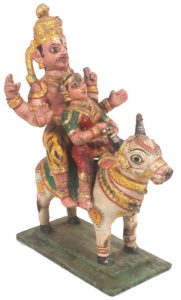
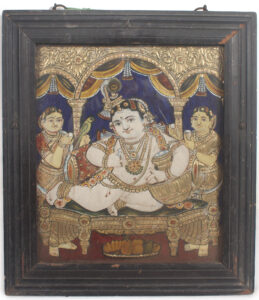
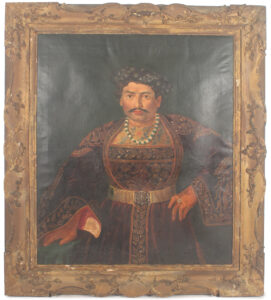
Restoration is central to Jamun Tree’s business. Much of its collection comprises reclaimed, recycled and restored pieces, with experienced craftsmen working to recover their original character. In an industry increasingly concerned with responsible consumption, the practice of extending the life of existing furniture offers an appealing alternative to buying new. Age, in this instance, becomes an asset rather than a defect.
At Design Milestone 2026 in Kolkata, Jamun Tree will present a selection of colonial-era furniture and rare collectibles, offering visitors an opportunity to discover objects from different periods and artistic traditions.
Perhaps the greatest appeal of collecting vintage furniture is the individuality it affords. A home assembled gradually, through discoveries and personal fascinations, inevitably develops a character that cannot be ordered from a catalogue.
Jamun Tree understands the appeal of interiors that resist being dated to a single decade. After all, good taste has never been particularly obedient to the calendar.