KOLKATA
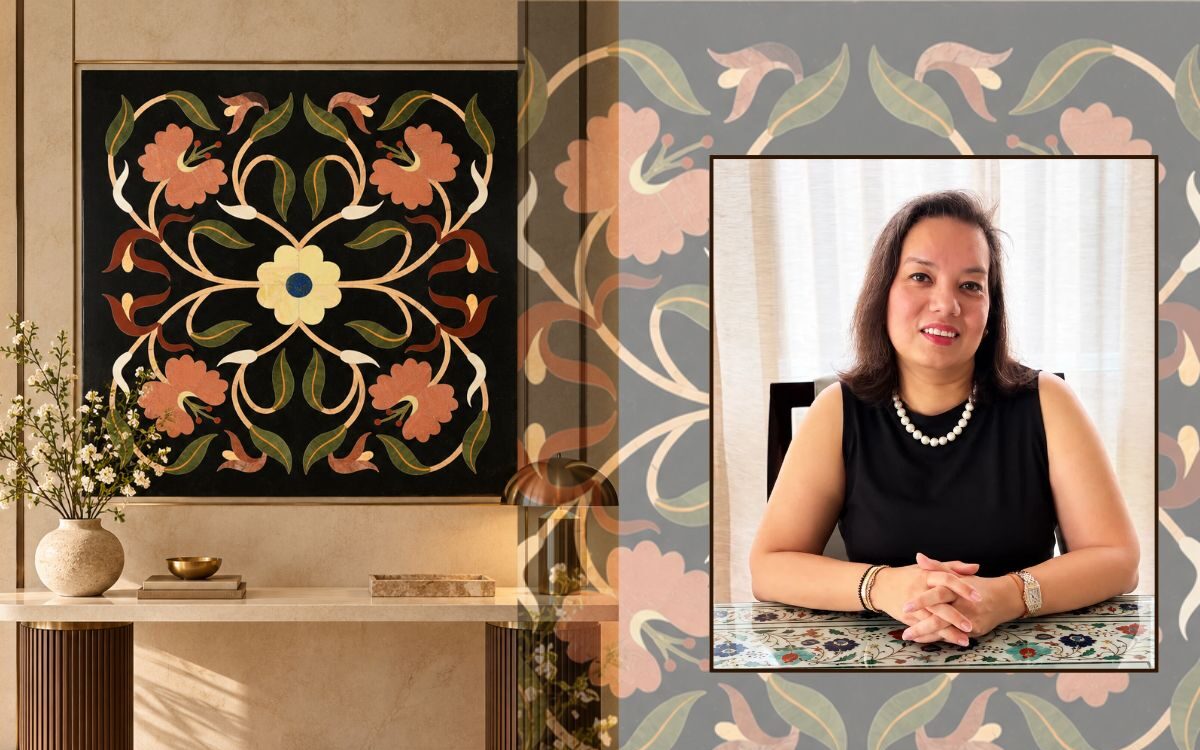
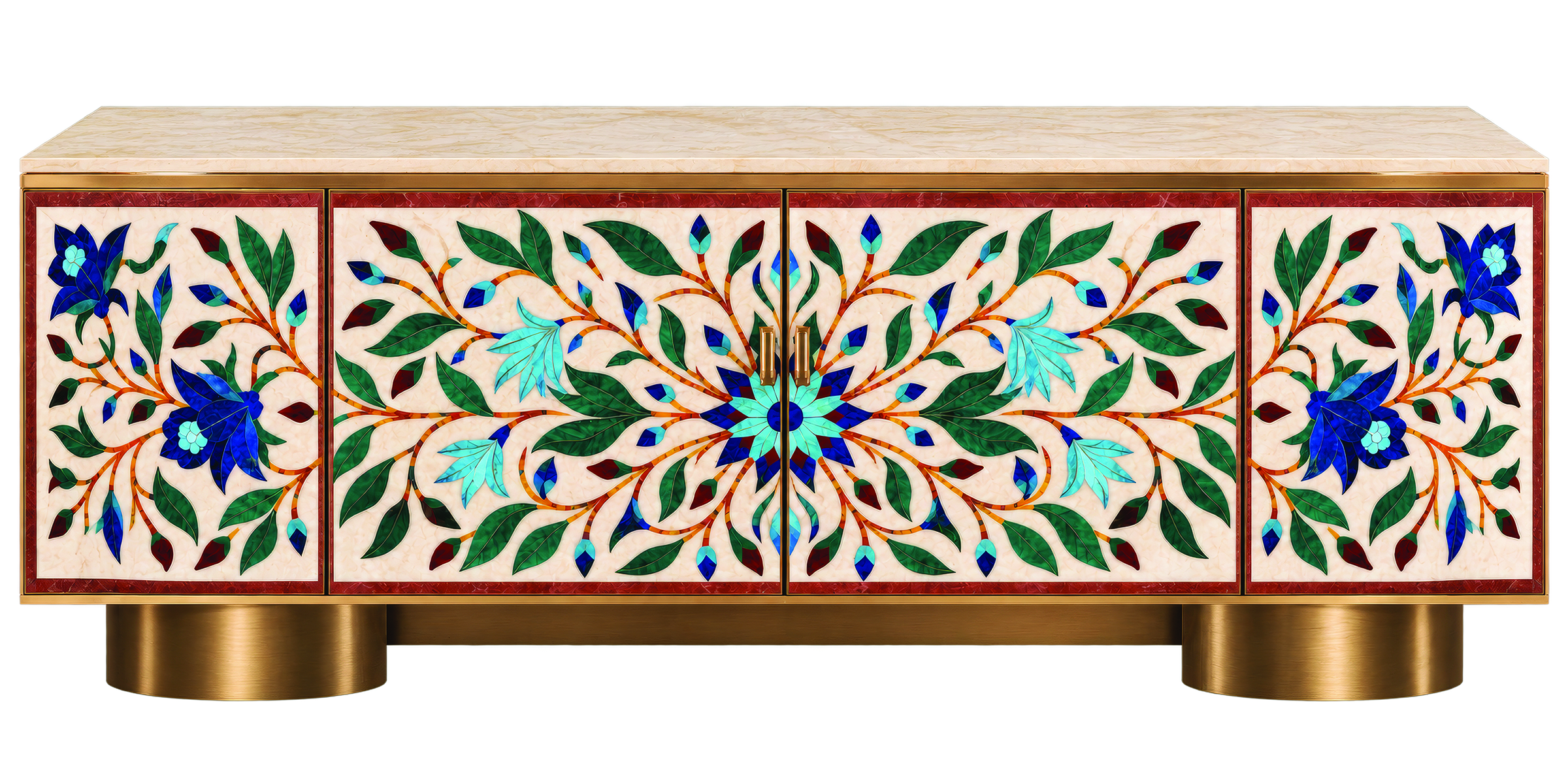
A single flower can take 70 pieces of stone to complete. Each petal must be cut, shaped and fitted against the next until the joins disappear and the entire composition appears to have grown naturally from the marble. A sliver of lapis lazuli becomes a blue petal. Malachite lends its deep green to a leaf. Carnelian introduces a flicker of amber. What appears effortless to the eye may have demanded days of concentration from the hands that made it. At Pietra Atelier, such extraordinary patience is simply part of the making.
Born from the seven-decade legacy of Sharma International, established in 1952, the atelier represents a new chapter in a family business that has spent generations working with traditional stone craftsmanship. Having created intricate pieces for international markets for decades, the family is now introducing its expertise to Indian collectors, architects and interior designers.
For Shivangi Sharma, the decision is particularly personal. “We have been creating this work for international audiences for years. But there is something wonderful about finally bringing it home, especially when people here are developing a deeper appreciation for handmade art and exceptional craftsmanship,” she says.
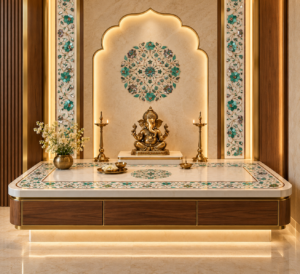
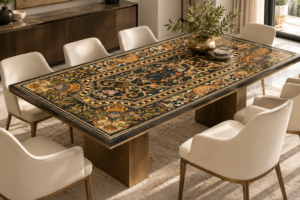
The art at the heart of Pietra Atelier is Pietra Dura, a technique that flourished in Renaissance Florence and shares a rich artistic history with the marble inlay traditions of Agra. It involves cutting semi-precious stones into delicate shapes and fitting them into a marble foundation with extraordinary precision. The finished composition may depict a flower, a bird, a geometric arrangement or an elaborate still life, with the natural colours of the stones providing the entire palette.
Unlike painting, there is no brush to soften a line or correct an awkward transition. Every curve must be achieved through the careful shaping of stone. A tiny botanical motif may contain fifty to seventy individual joins, each so precisely executed that the completed image appears almost uninterrupted.
This technical mastery finds expression in three distinct collections. Indian Heritage looks towards the gardens and ornamental traditions of the Mughal period. Against white marble, flowers and foliage emerge in lapis lazuli, carnelian and malachite, recalling the exquisite botanical detailing associated with India’s great historic monuments.
European Classics takes its inspiration from Florentine decorative traditions. Elaborate floral arrangements and still-life compositions unfold against black marble and porphyry, their richly coloured stones creating the impression of an intricate painting. The contrast between the dark foundation and the vivid mineral colours gives these pieces a particularly dramatic character.
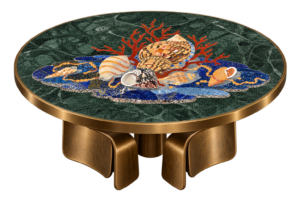
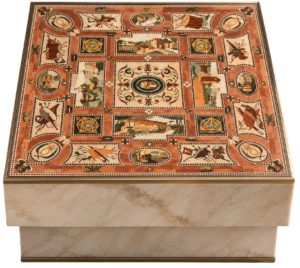
Architectural Legacy explores the quieter discipline of geometry. Its patterned floor medallions and wall panels demonstrate how an ancient decorative technique can become part of a contemporary architectural setting without appearing overly ornamental.
For Shivangi, the adaptability of the craft is among its most exciting qualities. “A design that you admire on a coffee table can be reimagined for a wall, a floor or an entirely different piece of furniture. There is tremendous freedom in what we can create, because every commission begins with the client’s imagination,” she explains.
The atelier’s offerings include coffee tables, centre tables, side tables, games tables, decorative objects and inlaid architectural surfaces. Dimensions, colours, patterns and compositions can be developed according to the setting, making each creation a personal commission rather than a reproduction of an existing design.
A floral composition might find its place on a grand dining table, while a geometric medallion could become the defining feature of an entrance hall. Even a relatively modest side table can accommodate an astonishing amount of detailed handwork. There is also a larger ambition behind this new venture: to encourage a different understanding of collectible art. “We are accustomed to collecting paintings, sculptures and objects that sit on display. But art can also be something we live with and use every day. A beautifully handcrafted table can be just as significant a collectible as a painting,” says Shivangi.
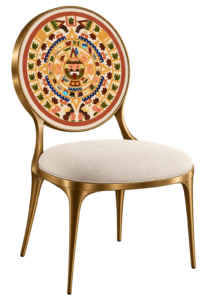
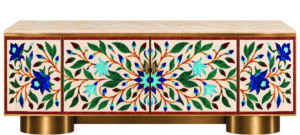
It is a particularly relevant thought at a time when so much furniture is manufactured for immediate availability. Pietra Dura belongs to another rhythm entirely. The selection of stones, the development of patterns, the shaping of individual elements and their meticulous assembly demand time, expertise and an unusual degree of concentration. Shivangi is equally conscious of the importance of preserving these skills. The craftsmen who practise this art possess knowledge acquired over years of working with materials that cannot be persuaded into shape without patience.
“We have become so impressed by what machines can produce that we sometimes forget to admire what human hands are capable of. This is an art that deserves recognition, and the people practising it deserve to be celebrated,” she reflects.
Pietra Atelier’s presentation at Design Milestone in Kolkata marks an important introduction to India’s design community. For the family, the city carries a special association, having figured among the early connections of Sharma International’s export journey. Returning to Kolkata with a new venture intended for Indian audiences gives the occasion an added significance.
The showcase will offer architects, collectors and design enthusiasts an opportunity to discover the intricacy of the work firsthand, and perhaps reconsider the possibilities of stone within their own homes. There is something deeply appealing about furniture that carries the evidence of time spent making it. Every petal represents a decision, every carefully concealed join a moment of concentration, every finished composition the accumulated knowledge of generations. And long after fashions have changed and rooms have been rearranged, these pieces are intended to remain, passing from one pair of hands to another. After all, a flower made of stone has no reason to fade.