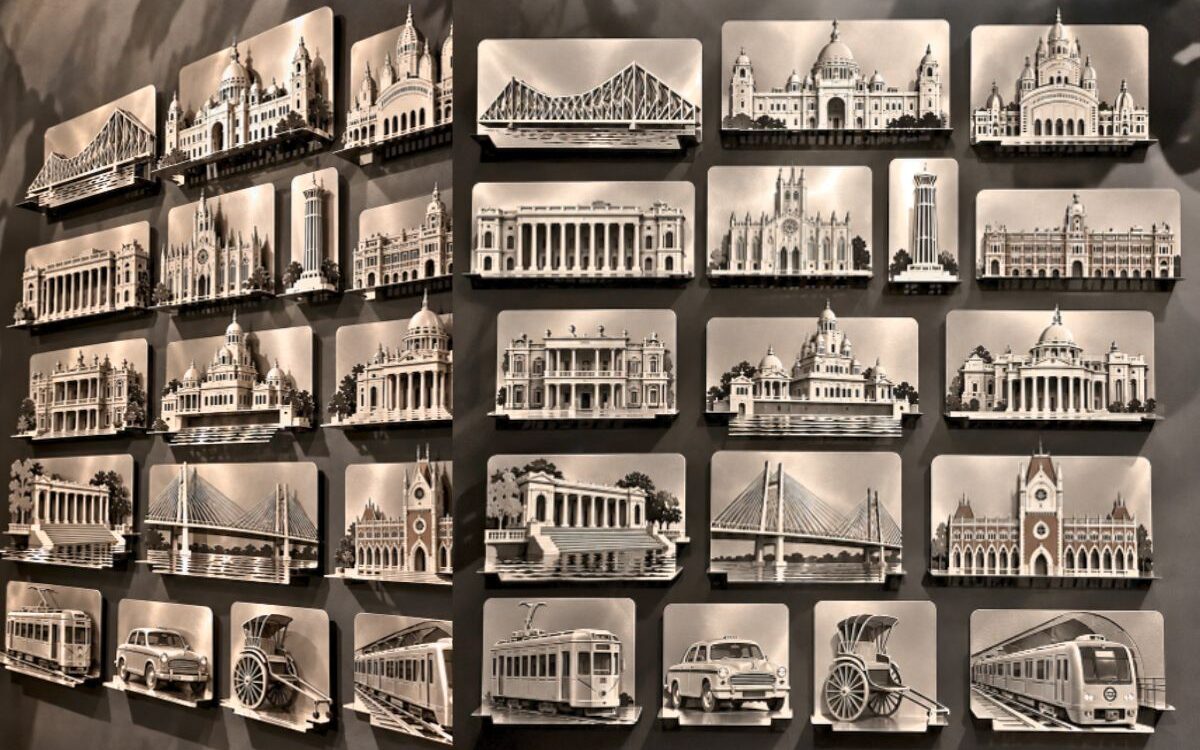
KOLKATA
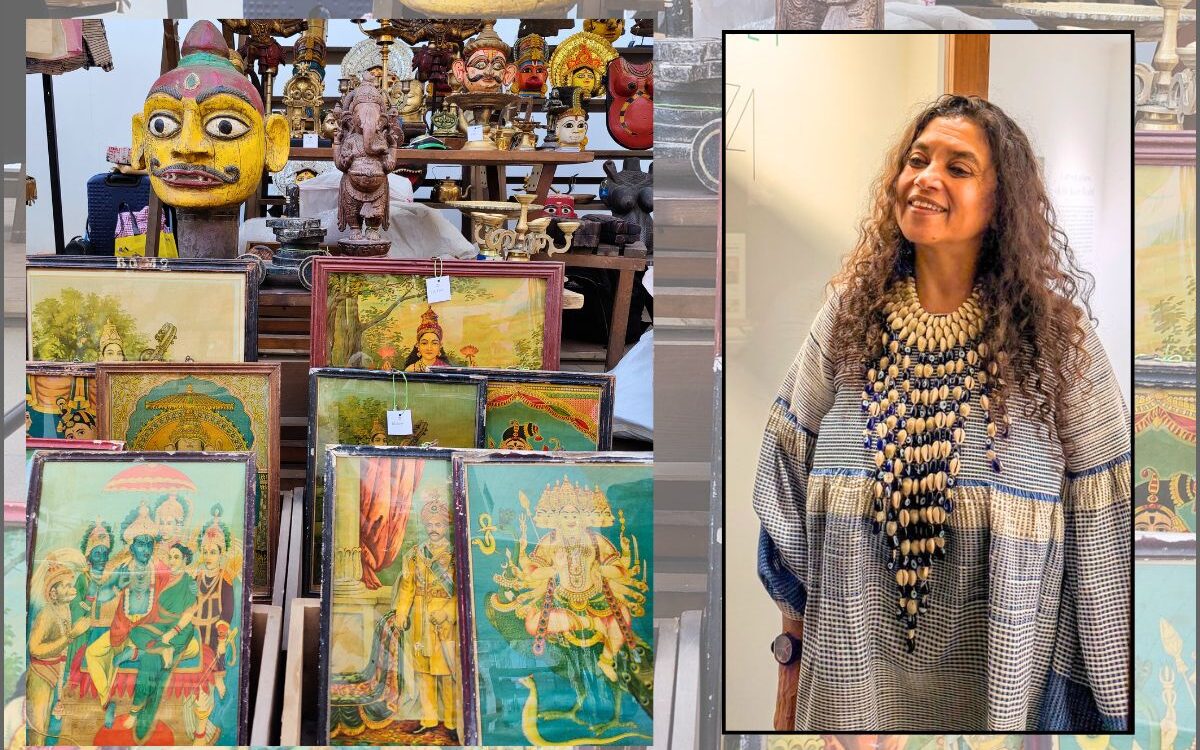
What is the worth of an object that carries a hundred years of knowledge in its making? Or a painting whose artist has spent decades perfecting a language entirely their own? Such things rarely reveal their value at first glance. Sometimes, you have to ask where they came from, who made them and why. For Srila Chatterjee, Founder of Baro Market, these questions have led to a lifetime of extraordinary discoveries.
India, with its bewildering abundance of artistic traditions, has been her hunting ground. Over years of travelling, she has encountered makers whose work deserves a far wider audience. Conversations became friendships, discoveries became collaborations, and eventually, these encounters found their way into pop-up bazaars where people could meet the minds and hands behind beautiful things.
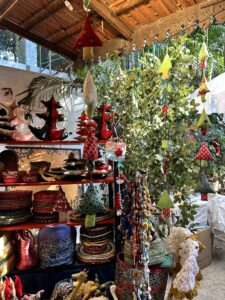
Born from the iconic BARO store in Mumbai, Baro Market grew beyond the conventional boundaries of interiors. Today, it brings together artists, craftspeople and designers whose work moves comfortably between inherited skills and contemporary imagination.
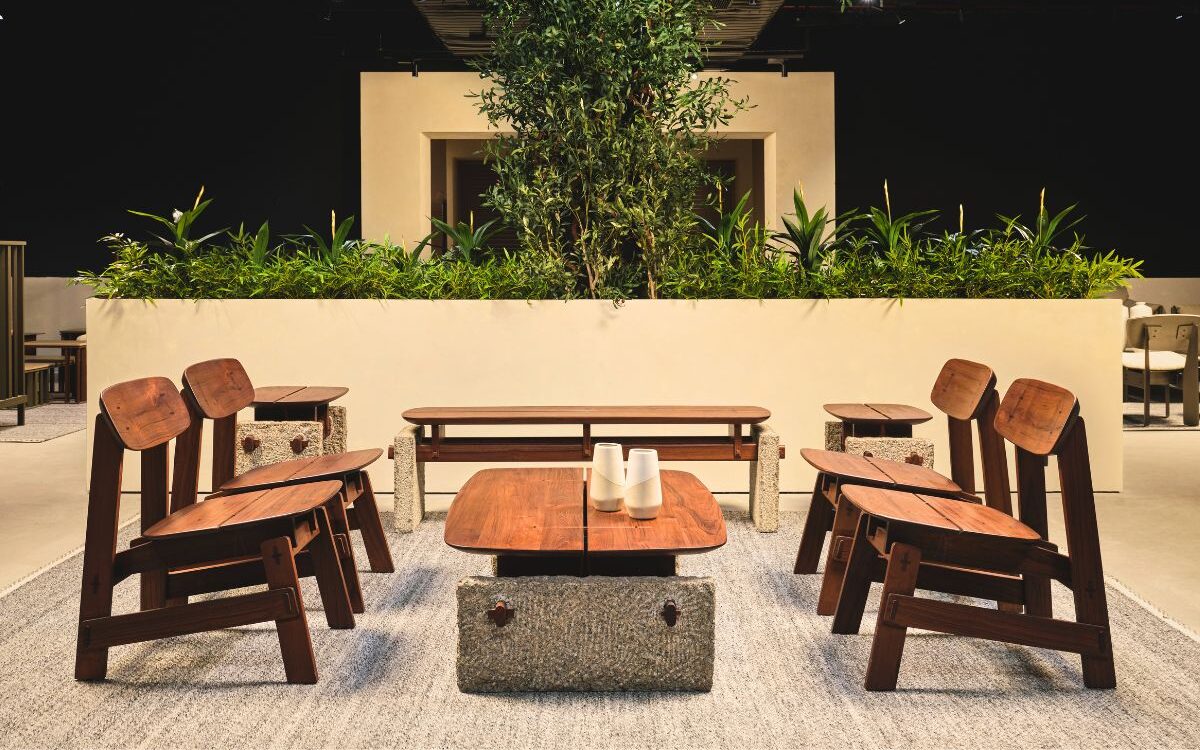
There is a particular pleasure in discovering an object whose beauty is inseparable from the way it was made. The patience of handwork, the irregularities that distinguish one piece from another, the knowledge passed between generations: these qualities give even the simplest things an unexpected richness.
Baro Market celebrates such work without treating tradition as something that belongs behind glass. Its carefully selected collections introduce craft and art into everyday life, allowing old techniques to find new purposes and audiences.
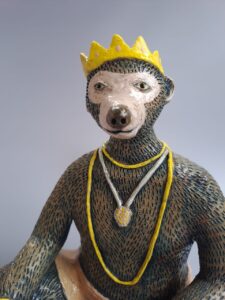
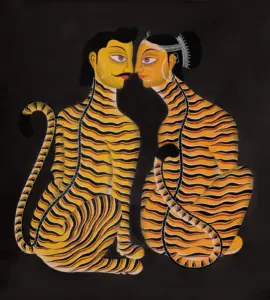
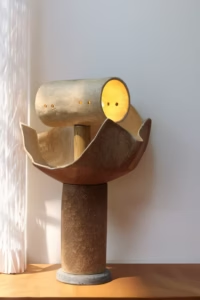
Equally important to Chatterjee is the question of value. Her approach to pricing considers both the maker and the buyer, recognising that meaningful appreciation of craft must also translate into fair economic relationships. This philosophy extends to Baro Art, which introduces original, certified contemporary and traditional Indian artworks to a wider audience. The intention is refreshingly straightforward: art should be something people can discover, understand and enjoy without feeling excluded by its price or unfamiliarity.
Another expression of this commitment is 47-A, a gallery presenting a year-round programme of specially curated exhibitions. With changing presentations throughout its twelve-month calendar, the space offers fresh opportunities to encounter artists and their work.
Across these different platforms, Chatterjee’s curiosity remains the connecting thread. Each discovery leads to another conversation, another artist, another forgotten technique finding its place in the present. Perhaps the loveliest thing about Baro Market is that it asks us to look a little longer before choosing what to bring home. A beautiful object may catch the eye immediately. Knowing the person and the story behind it gives us a reason to treasure it for years.