KOLKATA
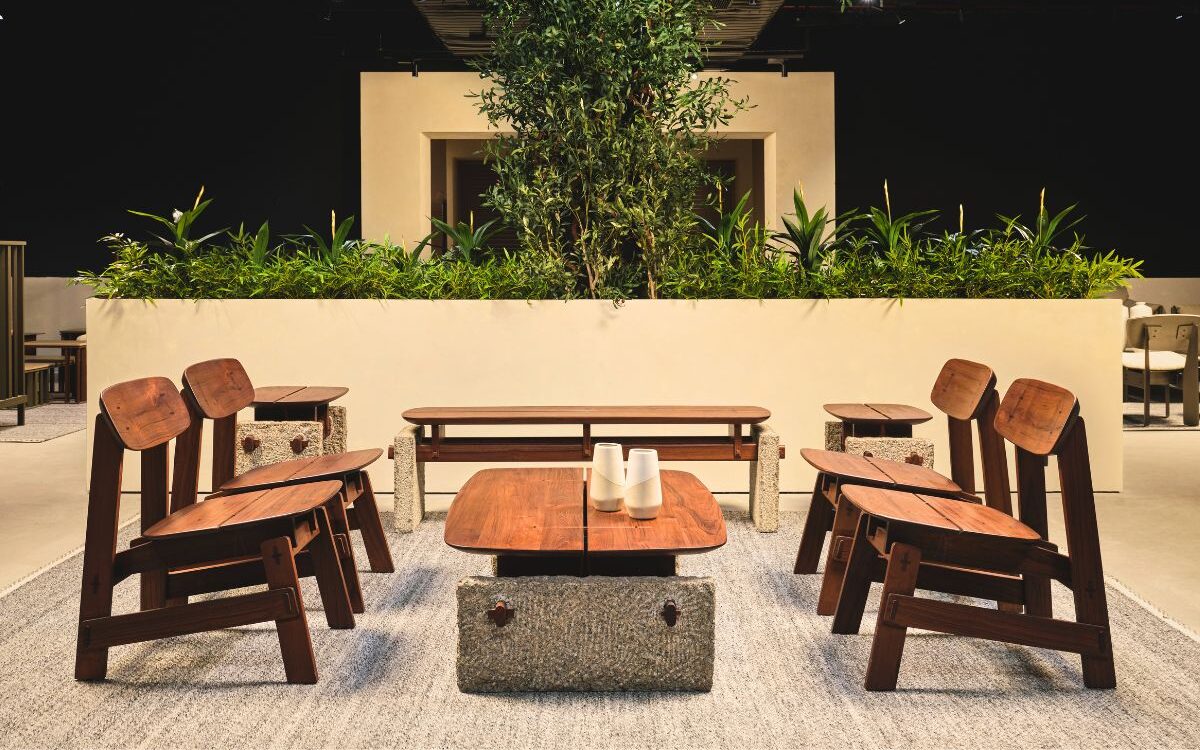
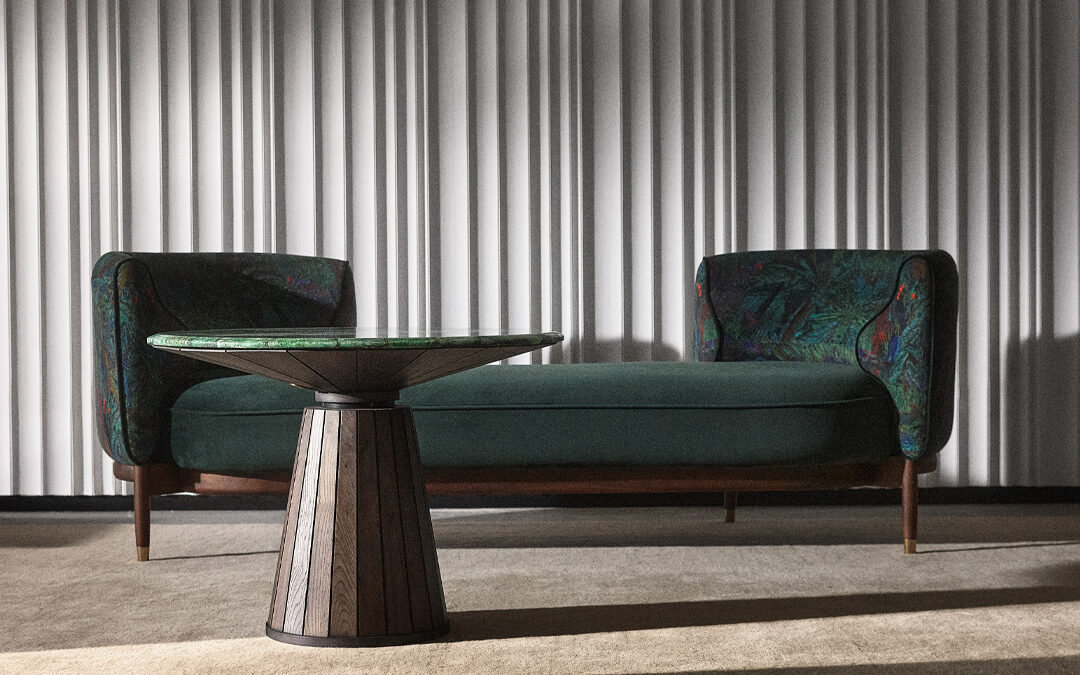
Furniture has a habit of revealing how it was made. A visible joint, the meeting of two contrasting materials, a surface that catches light differently from every angle. Most manufacturers work to make these details disappear. Wriver does quite the opposite. It turns them into the most compelling part of the design, experimenting with finishes, forms and construction techniques that make even a familiar piece of furniture worth a second look.
At Wriver, a table is rarely just a tabletop resting on four legs, and a cabinet is never simply a box with doors. Each design begins with an investigation into what a material can do, how far a form can be developed and which details deserve to be seen. The result is furniture that is as interesting to examine up close as it is to experience within a room.
The luxury furniture brand approaches design with the curiosity of a workshop and the discipline of a manufacturing enterprise. Its collections explore how familiar materials can be manipulated, combined and finished to produce something unexpected, without losing sight of comfort and everyday use.
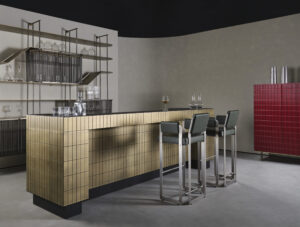
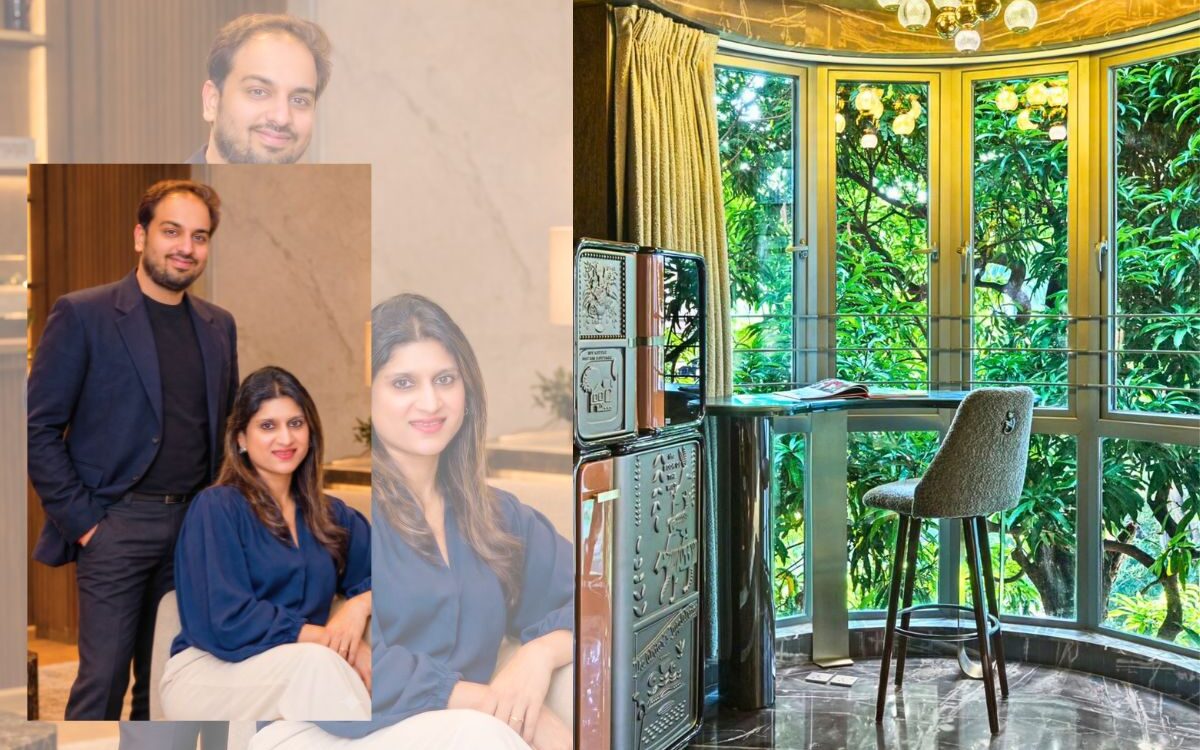
Much of this thinking originates at Wriver Design Studio, led by Co-Founder and Director Kapil Bharti, with interdisciplinary designer Harjot Singh serving as Art Director. Bharti’s fascination lies in the technical possibilities of furniture making. A joint, for instance, is not merely a structural necessity. Its position, thickness and finish can influence the appearance of an entire piece. Similarly, a modular system presents opportunities to experiment with construction, proportion and flexibility.
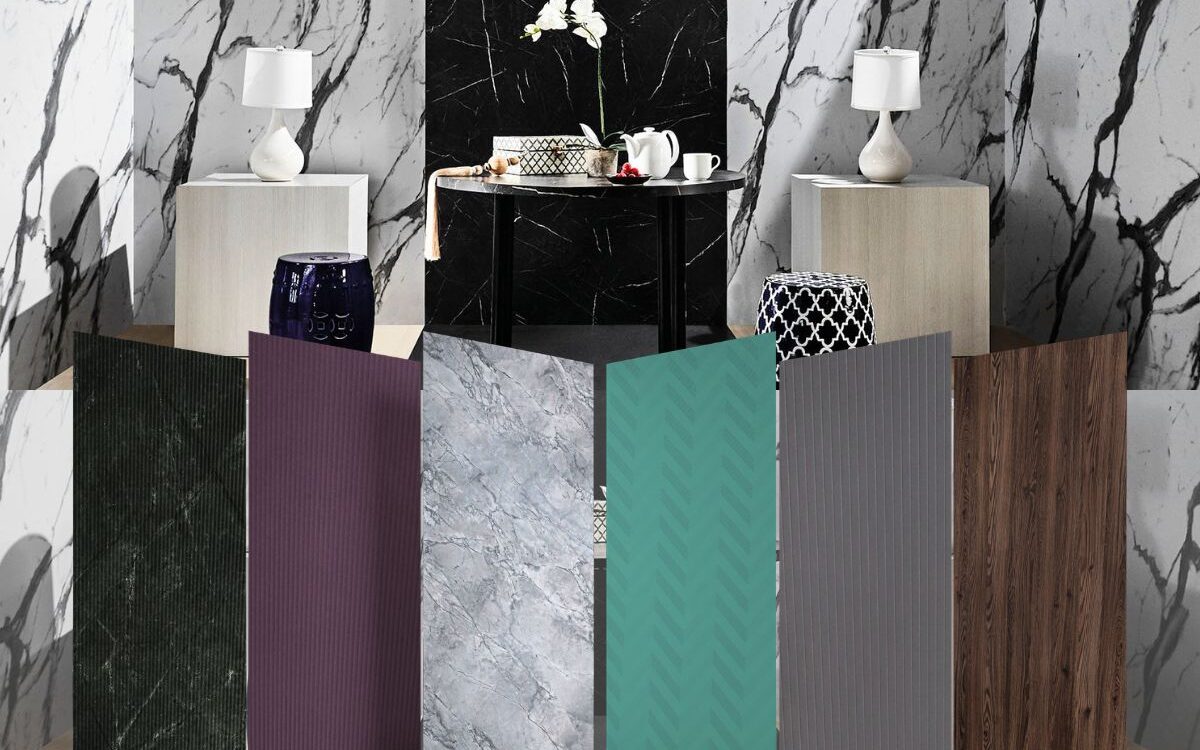
His involvement extends from initial sketches to the factory floor, where materials are tested, prototypes developed and manufacturing techniques refined. One particularly interesting outcome is the Lithic Series, featuring Wriver’s patented Pesta Mosaico finish. Its exploration of surface treatment and material expression has received recognition at the DNA Paris Design Awards, A’ Design Awards and Kyoorius Design Awards.
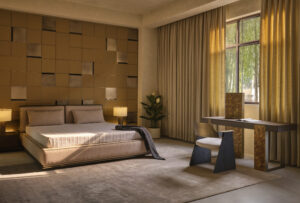
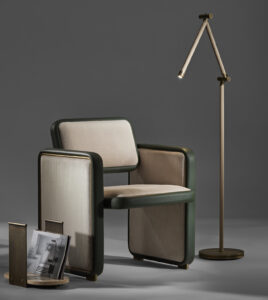
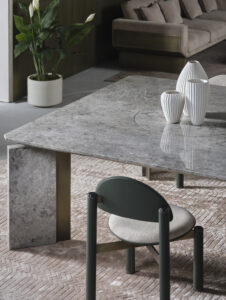
Harjot brings another dimension to the studio. Trained in architecture at NIT Hamirpur and design at NID Ahmedabad, his experience across interiors, exhibitions, retail and product design informs the development of furniture that responds to contemporary spaces. The studio also collaborates with creative practices including MuseMART, Hive, Studio Sumeet Nagi and Morphlab, allowing different approaches to form and material to enter its collections.
Behind these experiments is a substantial manufacturing operation in Gurugram, equipped with German machinery and specialised metal fabrication capabilities. Advanced production techniques work alongside detailed finishing processes, allowing the brand to translate complex designs into carefully executed furniture.
What makes Wriver particularly interesting is its refusal to separate technical precision from decorative expression. An unusual texture can be as important as a carefully engineered connection, while the shape of a piece must work as convincingly in a room as it does on a drawing board. For Wriver, furniture design is an ongoing investigation into what materials can do, how objects are made and how much character can be found in a single detail.