KOLKATA
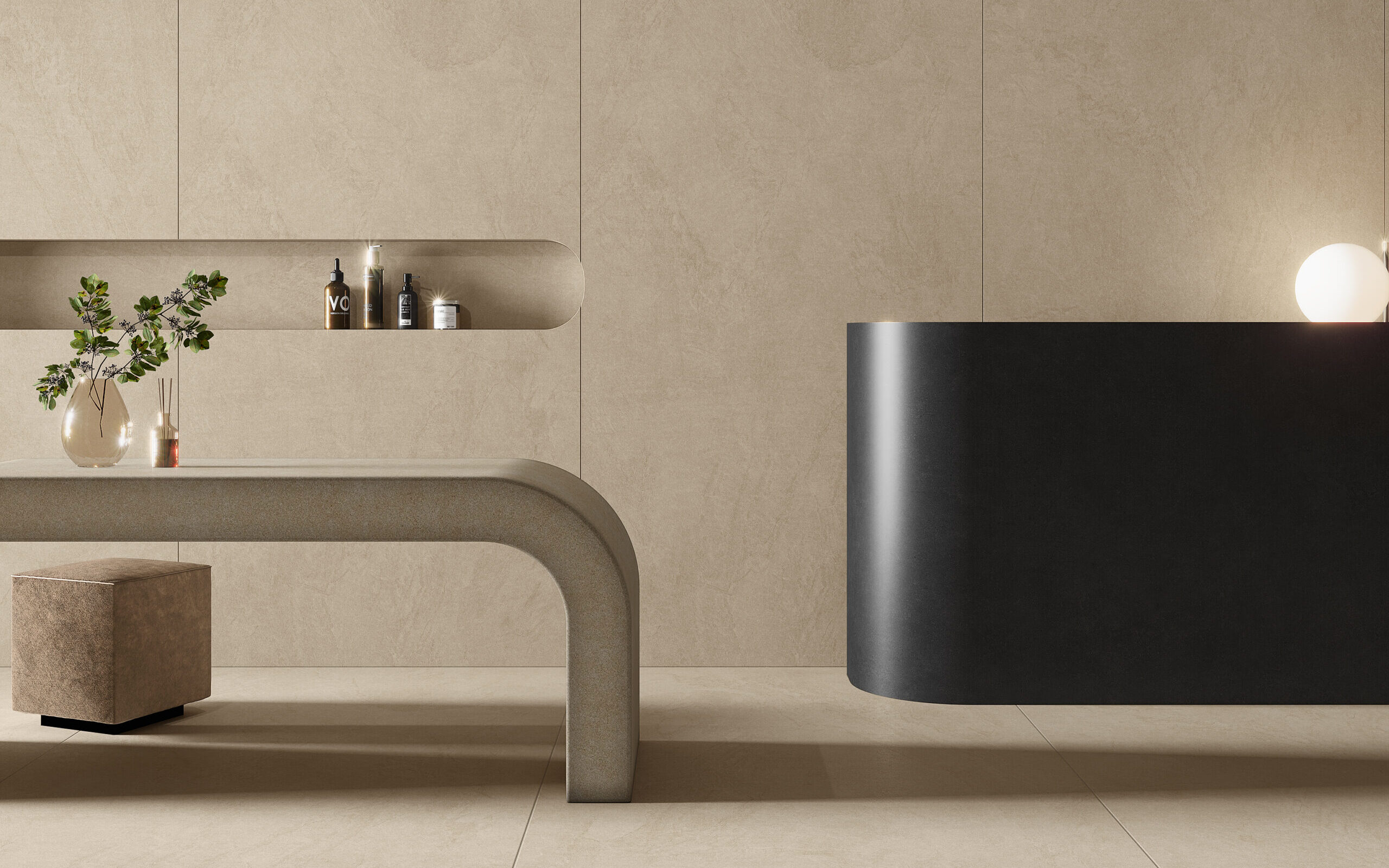
Some materials are exceptionally good at pretending to be something else. A surface can have the translucent beauty of onyx, the elaborate veining of Italian marble or the weathered appearance of stone that has spent centuries exposed to the elements. Look closely, however, and the real surprise may be how it was made.
At Dimore Surfaces, headquartered in Sassuolo, Italy, the fascination lies in recreating nature’s most interesting characteristics through an extraordinary combination of pressure, heat and material experimentation.
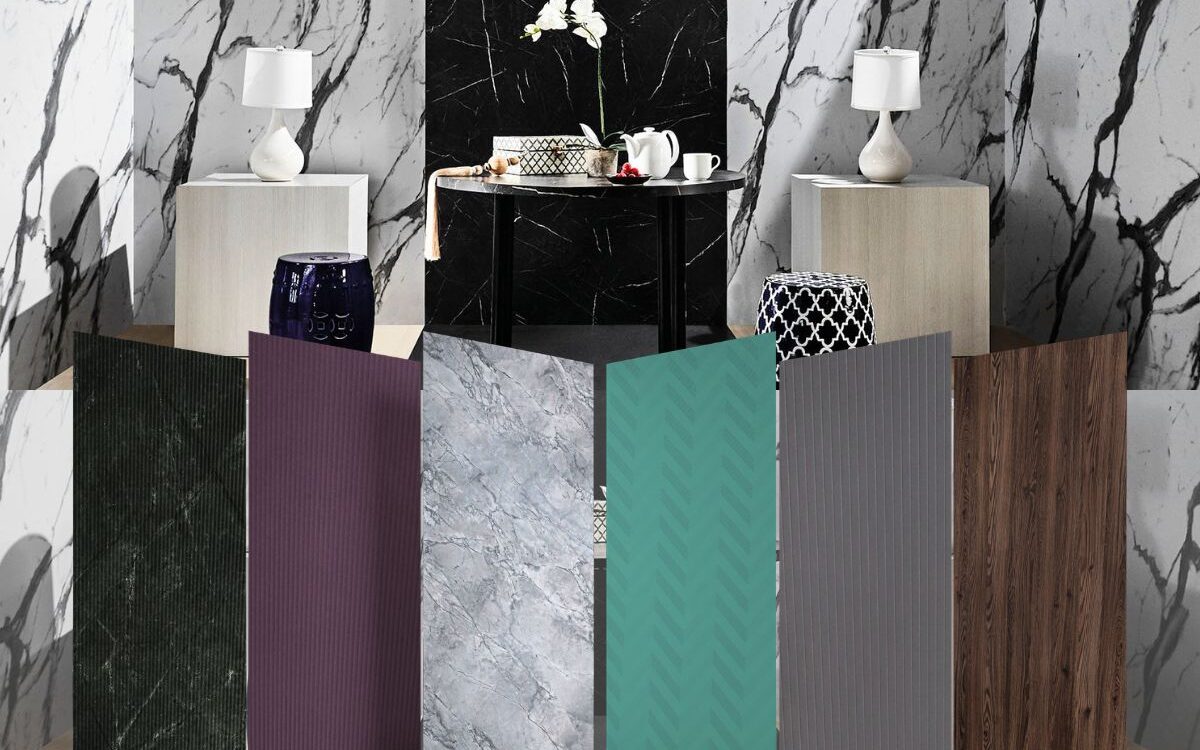
Consider the Marmo Collection. Drawing from the visual richness of Statuario marble, onyx and travertine, it explores the irregular patterns and mineral variations that make natural stone so desirable. Broad veins travel across expansive surfaces, while softer tonal shifts create the impression of depth. These finishes lend themselves particularly well to dramatic wall treatments, kitchen islands and large-format installations where the pattern can be appreciated without interruption.
The Roccia Collection takes a different direction. Inspired by rugged geological formations, including the imposing character of Gibraltar, it explores the rougher, more expressive qualities of stone. Here, texture becomes as important as colour, offering an alternative to the polished appearance traditionally associated with luxury interiors.
Much of this variety comes from Dimore’s manufacturing techniques.
Its sintered stone is produced using a combination of sand and clay, subjected to temperatures exceeding 1,200°C and compression under 44,000 tons of pressure. Advanced Italian GEA PRESS technology produces a dense, durable material designed to withstand the demands of contemporary interiors.
Another interesting development is its Dry Granular glazing process, which reduces light distortion to achieve unusually clear reflections and a high-definition finish.
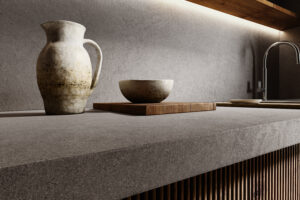
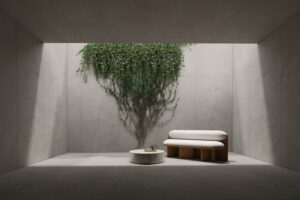
The brand also offers different surface treatments, including the luminous Luminoso, the understated Opaco Naturale, the satin-like Seta Dura and Balancio, which carries an R10 slip-resistance rating.
These distinctions matter when selecting materials for different rooms. A reflective surface can introduce light and movement into an interior, while a matte finish allows colour and pattern to take precedence. A textured treatment may be better suited to areas where grip is an important consideration.
Dimore’s material experimentation has also earned international recognition, including a Red Dot Design Award.
Yet what makes its collections particularly appealing is their ability to accommodate very different decorating preferences. An elaborate marble pattern can become the centrepiece of an otherwise simple room. A rugged stone finish can give a contemporary wall considerable character without additional ornament.
With Dimore, the surface is no longer something that merely covers a wall, floor or counter. It may well be the most interesting thing about it.