KOLKATA
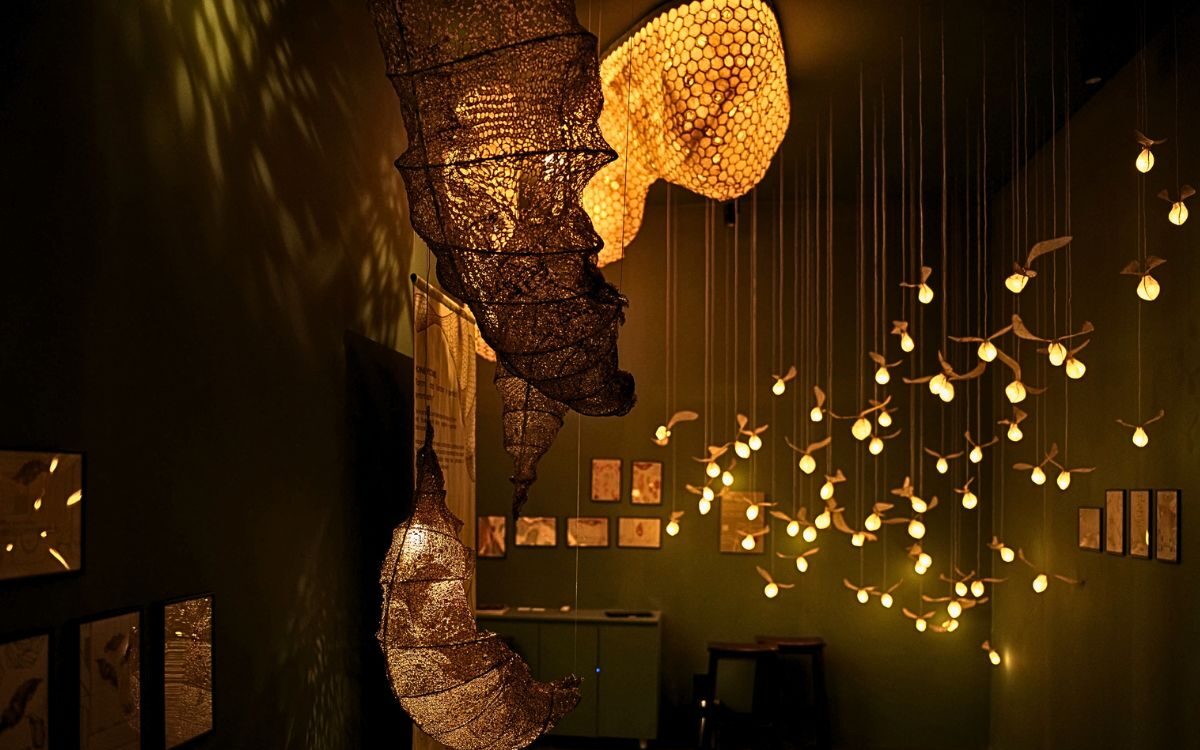
Look closely at a fern and you will find a remarkably disciplined arrangement of leaves. A honeycomb is an exercise in geometry. A spider’s web is delicate, yet carefully engineered. These small wonders of the natural world have become the starting point for The Magic of the Forest, a lighting collection soon to be unveiled by Bengaluru-based design studio Oorjaa.
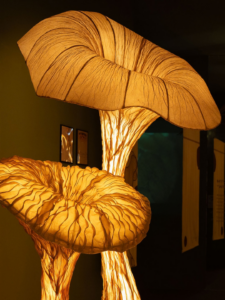
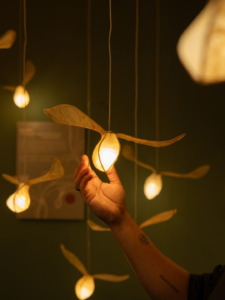
It studies the structures of flowers, shells, ferns, honeycombs and webs, translating their intricate arrangements into sculptural lighting. Rather than reproducing nature literally, the studio examines how these forms are constructed. Repeated patterns, overlapping surfaces, branching structures and delicate networks become the basis for objects that change character when illuminated.
For Oorjaa, this fascination with natural materials began long before lighting entered the picture.
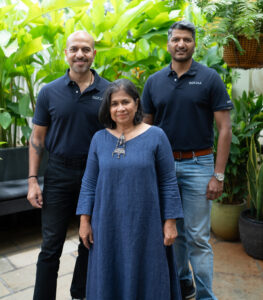
In 1998, Jenny Pinto established Bengaluru’s first handmade paper studio. With no formal design education, she began experimenting with fibres, learning how they responded to water, pressure, drying and manipulation. Banana fibre and lokta paper became her earliest materials, eventually leading to a practice that brought together papermaking, sculpture and lighting.
Today, alongside Radeesh Shetty and Gaurav Rai, Oorjaa has developed an extensive material library from resources that might otherwise be discarded.
Banana bark becomes handmade paper with varying degrees of translucency. Quarry dust and reclaimed paper pulp are combined to create Faux Concrete, a material with the appearance of weathered stone but considerably less weight. Cork introduces warmth and grain, while water hyacinth and lantana offer entirely different possibilities.
Lantana is particularly interesting. An invasive plant that threatens native vegetation across large parts of India, it is harvested, stripped of thorns and softened through boiling before being worked into lighting and architectural installations.
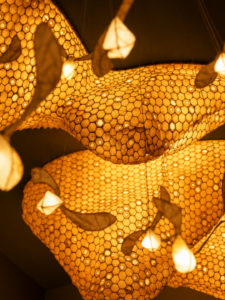
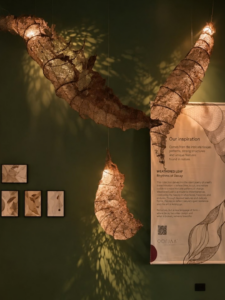
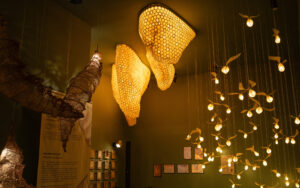
Much of the studio’s character comes from its experiments with surfaces. Paper can be folded, pinched, layered or shaped into curves. Its thickness determines how light passes through it, while variations in fibre create patterns that become visible only when the lamp is switched on.
The studio’s work ranges from small pendants and wall lights to substantial installations, including projects at Bengaluru’s Terminal 2.
With The Magic of the Forest, Oorjaa brings these material experiments into a closer study of natural geometry. The collection considers how a shell develops its form, how a leaf distributes its veins and how a web achieves strength with remarkably little material.
It makes a compelling argument for looking more carefully at the natural world. Sometimes the most interesting design references are already growing outside the window.