KOLKATA
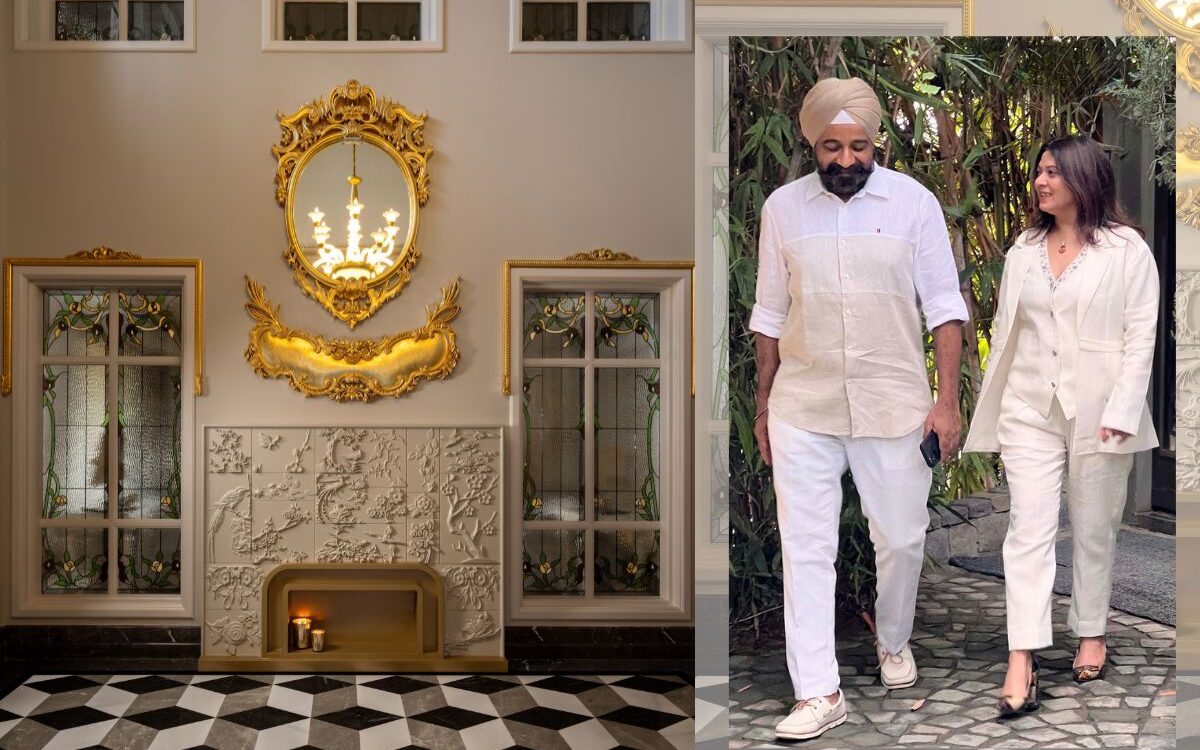
Some interiors reveal their decade almost immediately. A particular curve, an overused colour, the material everyone wanted that year. Others are harder to place. They seem to have sidestepped the calendar altogether. The Carpenters Home has spent more than 25 years pursuing the latter.
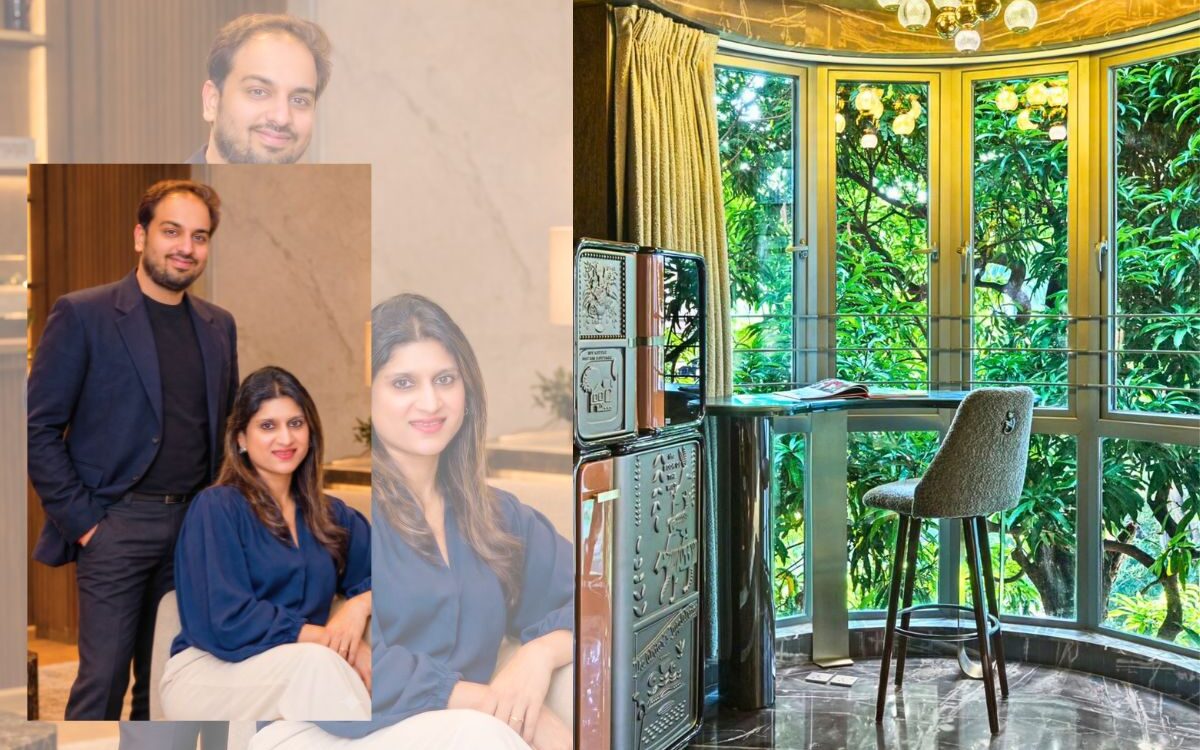
Founded in 2000 by Mandeep Sidana and Dolly Sidana, the Ludhiana-based design house works across architecture, interiors, furniture and turnkey projects, from private residences and farmhouses to restaurants, resorts and hospitality spaces. Yet its most interesting proposition may be its refusal to design for the immediate moment.
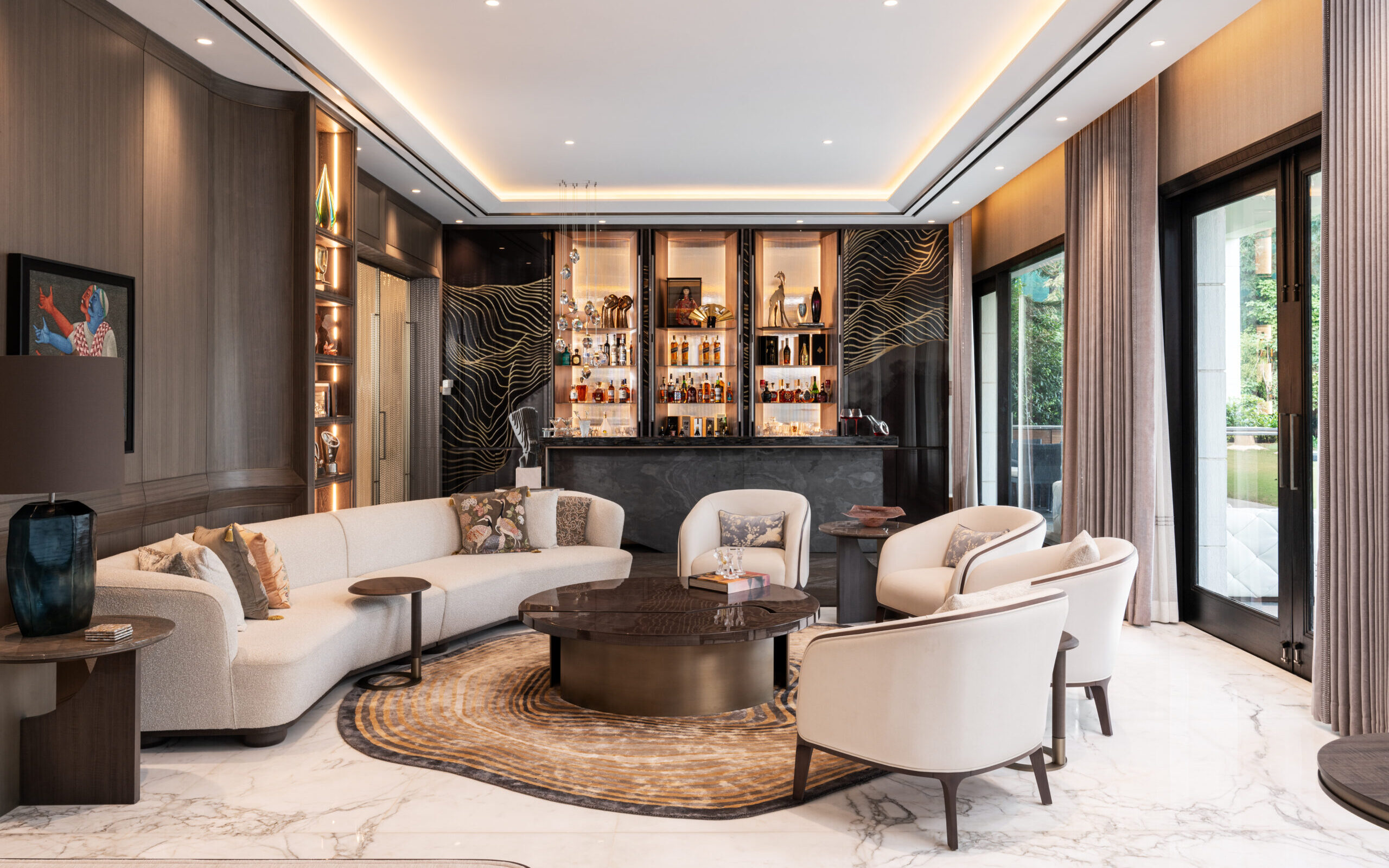
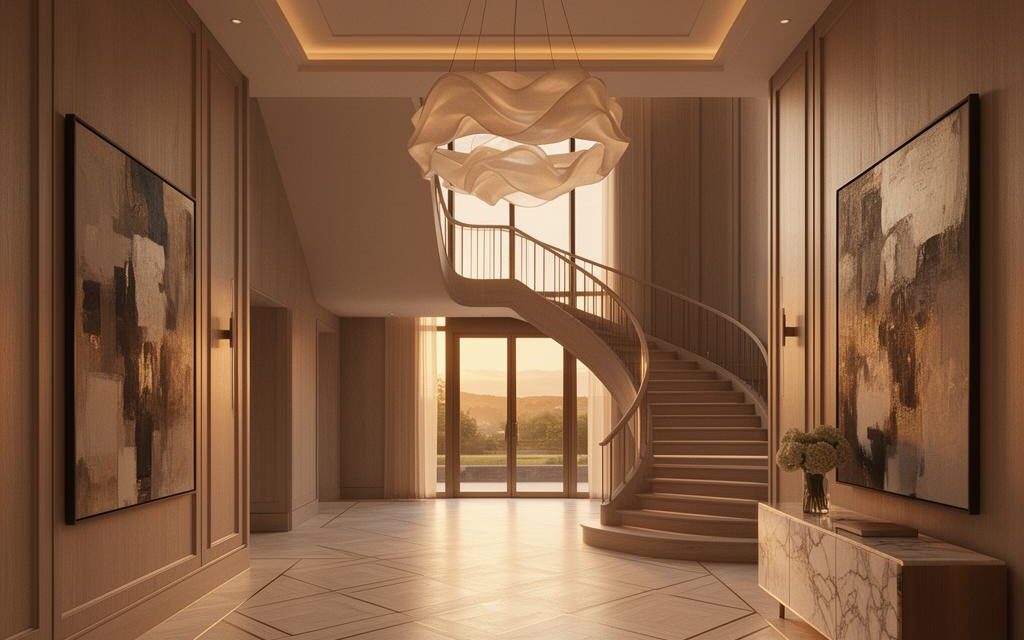
English classical references, French influences and British colonial sensibilities appear throughout its vocabulary, though never as period decoration. They might surface in the proportion of a room, the profile of a piece of furniture, a deep timber finish or the disciplined symmetry of an elevation. Historical references are edited rather than reenacted.
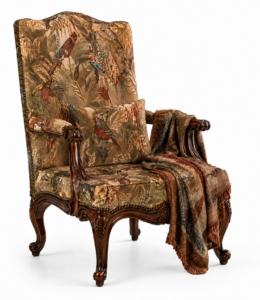
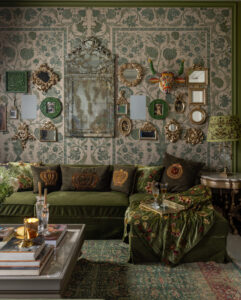
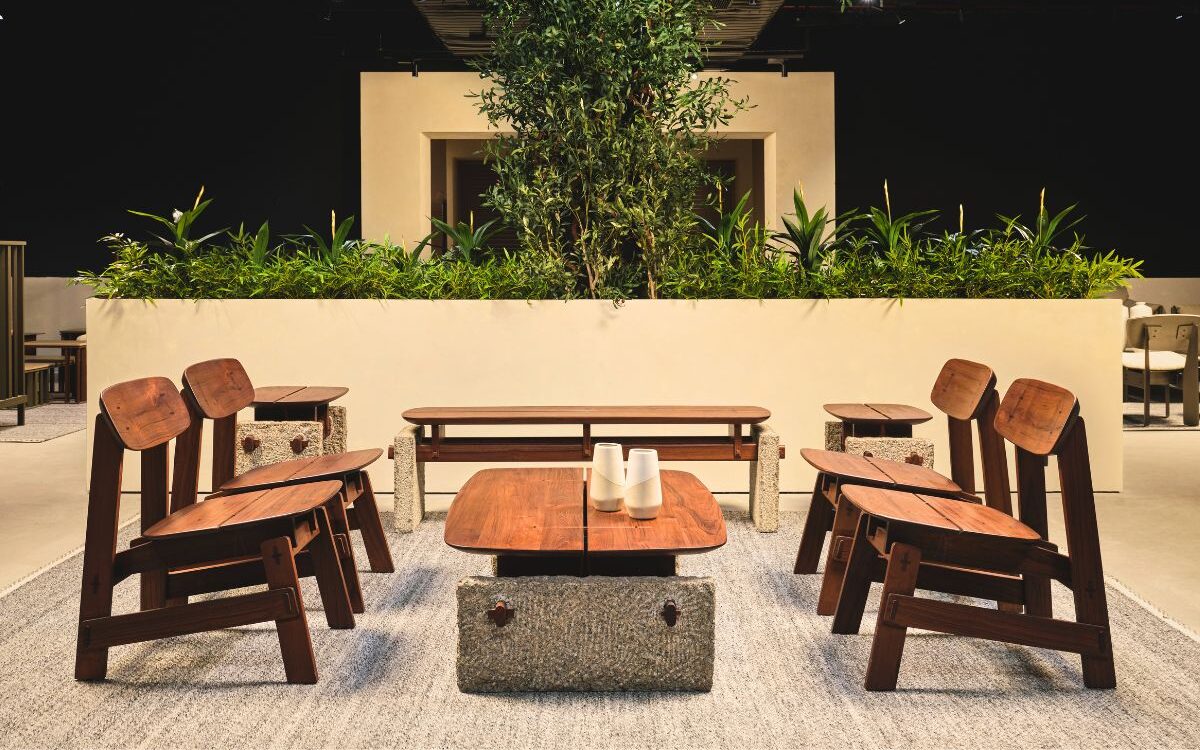
That same thinking extends to furniture. Made through the studio’s own atelier, pieces are often conceived alongside the architecture rather than introduced after it. Wood meets cane, stone, metal and textile; a chair is considered against the volume surrounding it; a table is judged as much by proportion as by finish. The object and the room are allowed to correct each other.
There is considerable attention to what might otherwise go unnoticed. How far apart two seats should be for conversation. Whether a doorway feels too narrow for the room beyond it. What morning light does to one material and evening light to another. Where the eye needs detail and, equally, where it needs none.
For Mandeep, this involves the rigour of construction, material and execution. Dolly brings another reading of space, one shaped by behaviour, atmosphere and the peculiarities of the people who will occupy it. Together, they design not around an abstract idea of luxury, but around specificity.
It also explains the studio’s approach to longevity. Instead of asking whether something will remain fashionable, the more useful question is whether it can become better through use. Perhaps that is the more convincing measure of permanence. Not whether a room looks untouched years later, but whether it has absorbed those years beautifully.