KOLKATA
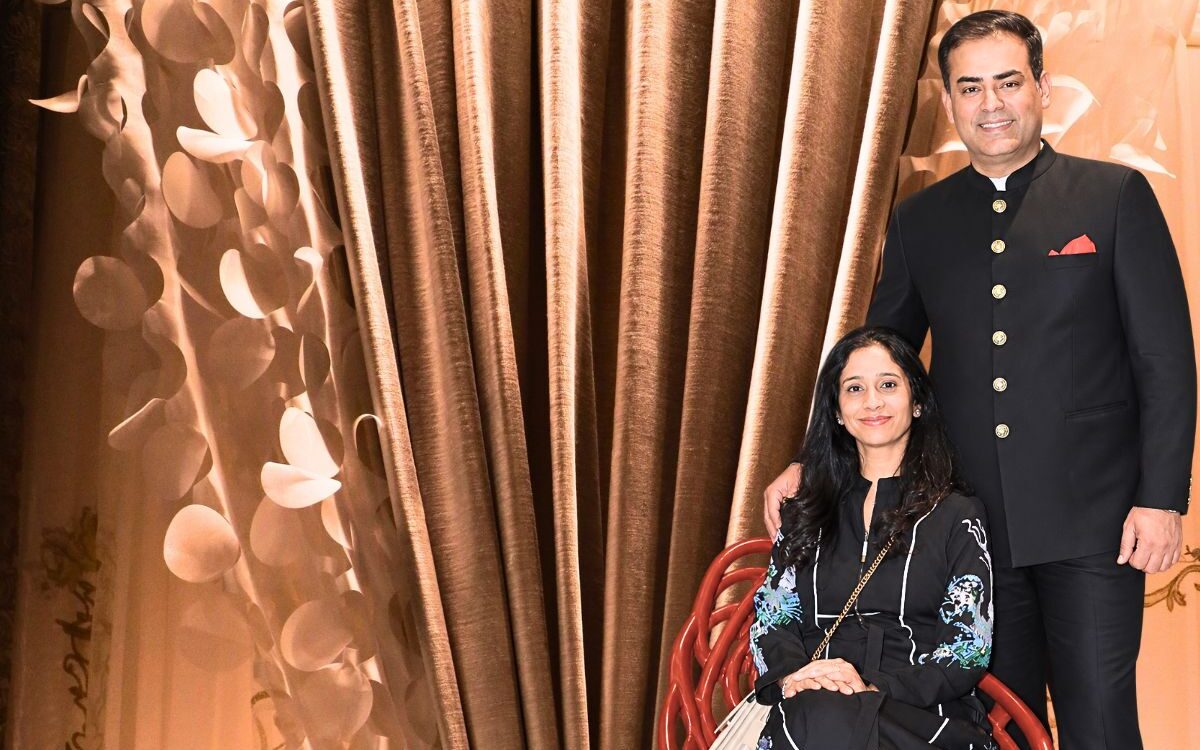
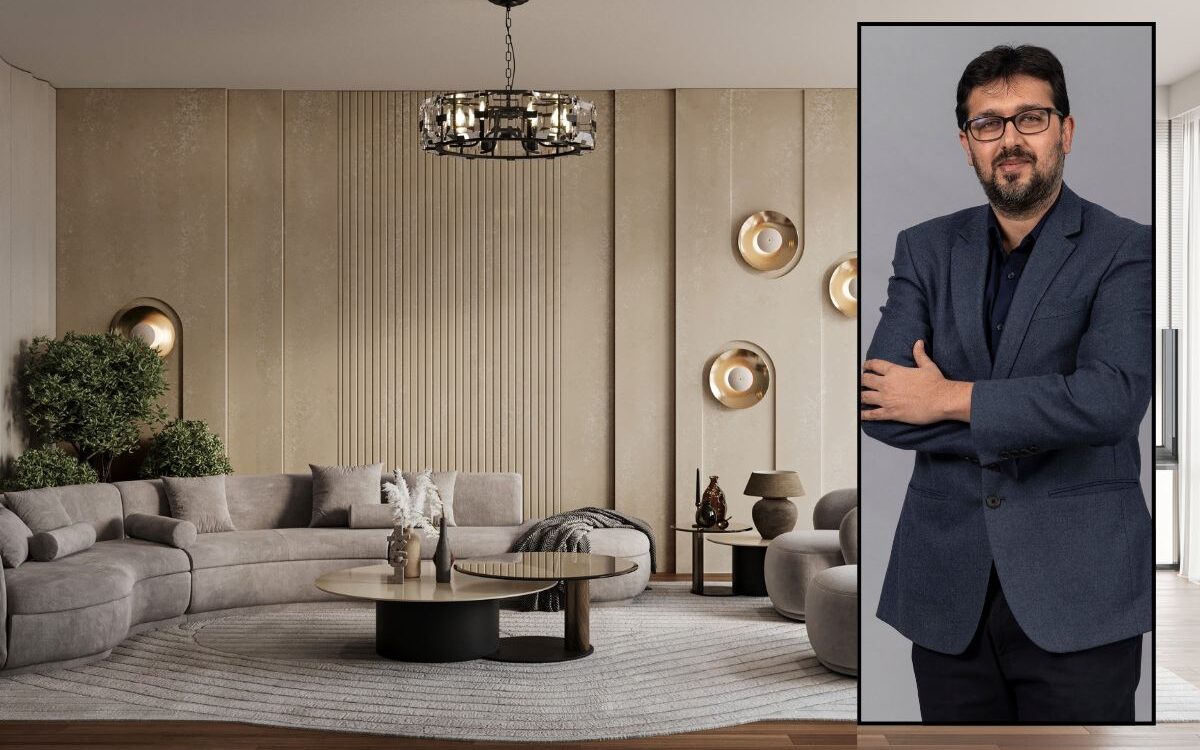
Before he began dressing windows, Amar Sanganeria walked the runway. Advertising campaigns, fashion shows alongside some of India’s leading models, films and music videos occupied his early professional years in Mumbai. It was an education in glamour, individuality and the power of presentation that would eventually find expression in a rather different business: home furnishings.
“When I returned to Kolkata, I knew I wanted to remain associated with fashion and luxury. Window coverings and home furnishings gave me an opportunity to explore that interest in a different medium,” recalls Amar Sanganeria, Founder & CEO, Packman.
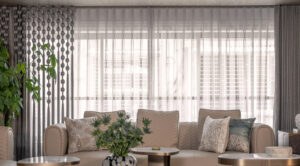
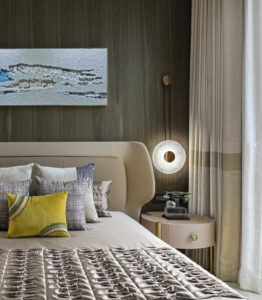
In 2002, when Sanganeria established Packman, the idea of dressing a home with the same discernment as one’s wardrobe was still relatively unfamiliar to Indian consumers. Curtains were largely functional purchases, and window treatments offered limited creative possibilities. Recognising an opportunity, he began manufacturing manual and motorised window blinds before expanding into bespoke soft furnishings.
Nearly a quarter of a century later, Packman’s business spans residential, commercial, hospitality and healthcare interiors, with dedicated divisions addressing the requirements of each sector. Its presence extends across major Indian cities and neighbouring markets, including Nepal, Bangladesh and Bhutan. Yet Sanganeria’s fashion background remains evident in his understanding of consumer behaviour. He draws an interesting parallel between commissioning furnishings and selecting an outfit for a special occasion. Both, he believes, are increasingly governed by personal identity rather than prescribed notions of good taste.
“The future of Indian interiors is about storytelling, luxury and bespoke design. People want something that reflects their personal preferences. Our experience allows us to respond to that growing desire for individuality,” he explains.
His ambitions, however, extend well beyond the domestic market. Over the next two years, Packman intends to explore opportunities in the Middle East, the United States, the United Kingdom and France. Interestingly, Sanganeria is not convinced that expansion necessarily requires a physical store in every city. The company is experimenting with alternative ways of reaching customers while respecting the inherently tactile nature of textiles.
For all his enthusiasm for glamour, his approach to business remains remarkably pragmatic. “I always believe, make your basics solid and then only you jump,” says Sanganeria, emphasising the importance of preparation over premature expansion.


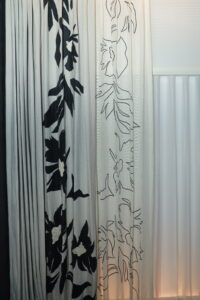
At Design Milestone 2026 in Kolkata, visitors can expect another theatrical interpretation of textiles. Following its award-winning presentation at the previous edition, Packman is developing a showcase around an intriguing proposition: Luxury with No Walls. Sanganeria remains deliberately secretive about the colours, materials and composition, preferring to preserve the element of surprise.
For him, the exhibition also carries a personal significance. His association with founders Deep and Seema Gupta extends beyond commercial participation, and he regards the collective success of the show as a shared responsibility.
Looking towards 2030, Sanganeria has a deceptively simple ambition: for Packman to become a name people instinctively associate with home furnishings. Fashion may have given him his first understanding of luxury, but interiors have offered him a considerably larger canvas. And judging by his latest experiments, even walls are becoming optional.