KOLKATA
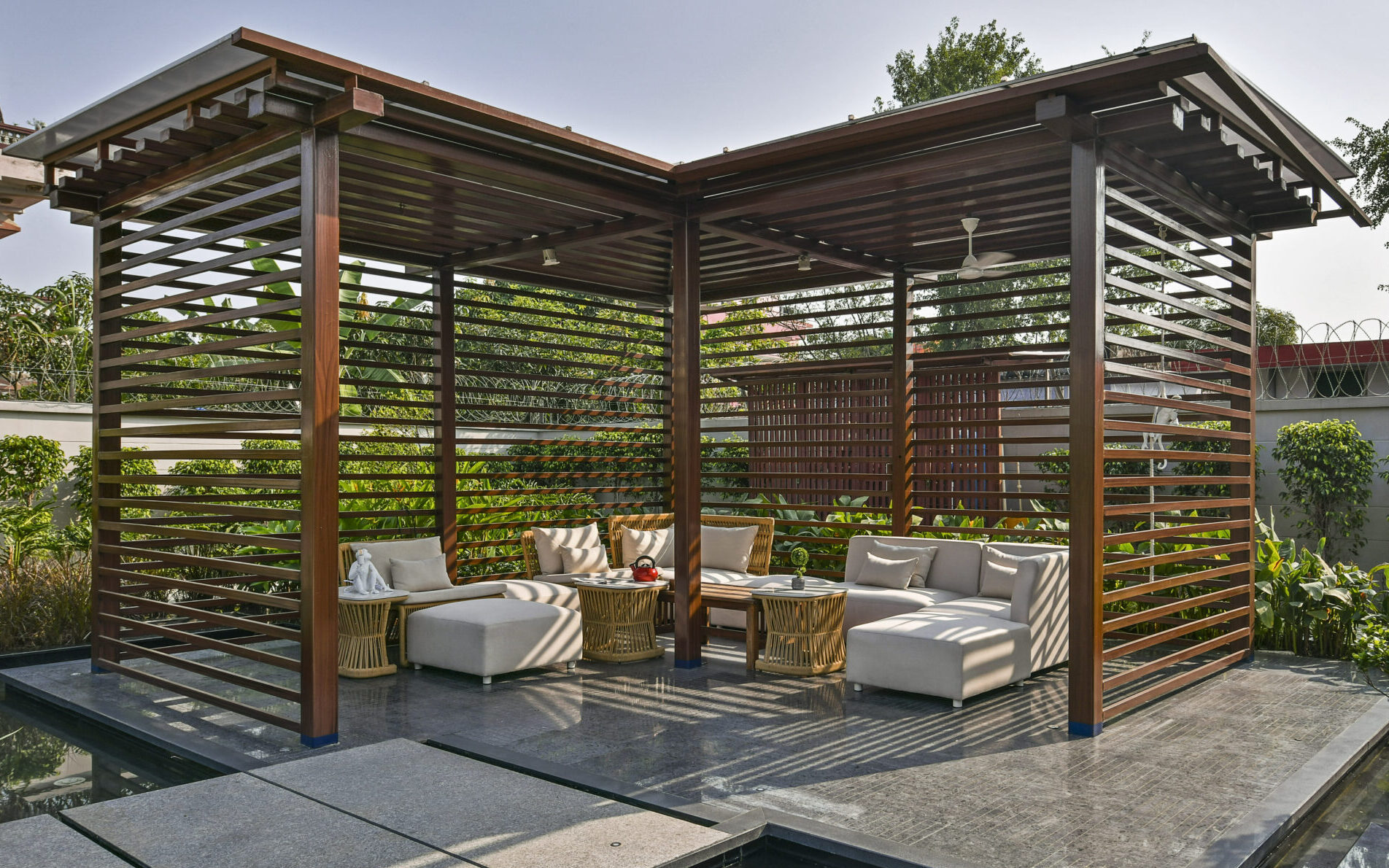
If the way we’re living now is any indication, the homes of 2026 won’t try to impress you the moment you arrive.
They’ll do something far more subtle. They’ll make you exhale…
Luxury, as it’s taking shape for the future, is slowly stepping away from display. The tall gates, the glossy finishes, the need to stand out on a street, all of that is beginning to feel less relevant. What’s replacing it is harder to photograph but easier to feel. A sense of calm. A sense of control. A sense that the space is working with you, not performing for someone else.
The homes of 2026 are not quieter by accident. They were designed that way from the very beginning!
The modern home is increasingly expected to function as a sanctuary. This is not a poetic abstraction but a direct response to the overstimulation of contemporary life. Constant digital engagement, visual clutter, and ambient noise have created a baseline level of fatigue that people are no longer willing to carry into their personal spaces.
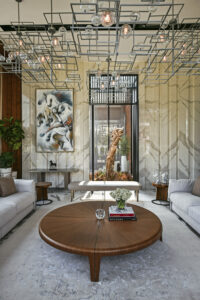
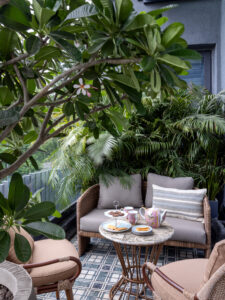
In architectural terms, this has led to a rethinking of what makes a space “loud.” It is not just about sound, but about visual excess, harsh lighting, and the absence of spatial hierarchy. A home that offers no pause, no transition, and no relief can feel as overwhelming as the world outside it.
As a result, people are now prioritising homes that filter rather than amplify. These spaces are designed to soften sensory input, regulate comfort, and create moments where nothing is demanded of the occupant. The sanctuary is no longer a luxury feature. It is a fundamental requirement.
One of the most noticeable changes in contemporary design is the renewed focus on material authenticity. In place of synthetic finishes and imitative surfaces, there is a clear preference for materials that are honest in their appearance and behaviour.
Wood, stone, lime plaster, and metal are being used not just for their visual qualities but for the way they feel and age. A wooden floor carries warmth and subtle variation. Stone introduces a sense of permanence and thermal stability. Brass develops a patina that reflects time rather than resisting it.
These materials contribute to a deeper sensory experience. They invite touch, respond to climate, and evolve alongside the people who inhabit the space. In doing so, they create interiors that feel grounded and enduring rather than temporary or performative.
Lighting, too, has undergone a quiet transformation. The uniform brightness that once defined modern interiors is being replaced by a more nuanced approach. Light is now treated as a dynamic element, something that changes throughout the day and shapes the atmosphere of a room.
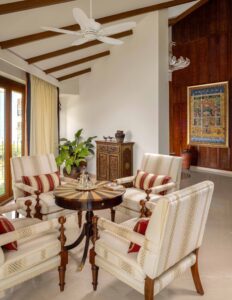
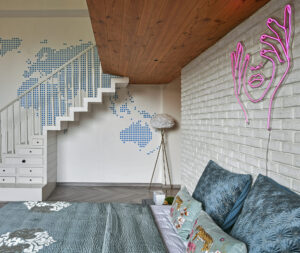
Spaces are layered with varying levels of brightness. Transitional areas such as corridors or entryways are intentionally subdued, allowing the eye to adjust before moving into more open or private zones. Windows are designed with greater precision, often framing specific views rather than exposing entire facades. This approach introduces rhythm into the home. It allows light and shadow to coexist, creating environments that feel more natural and less static. The result is a space that supports a slower, more attentive way of living.
While visual design often takes precedence, acoustic comfort has become an equally important consideration. A well-designed home is not only seen but also heard, or more accurately, not heard in ways that cause discomfort.
Hard, reflective surfaces can create subtle but persistent echoes that contribute to a sense of unease. In response, architects are incorporating materials and forms that absorb and diffuse sound. Textured walls, layered furnishings, and thoughtful spatial planning all contribute to a softer acoustic environment.
This does not mean eliminating sound entirely, but rather shaping it. The goal is to create spaces where sound settles naturally, supporting conversation, rest, and concentration without intrusion.
At the core of this evolving design language is a balance between simplicity and skill. Quiet luxury does not equate to emptiness. Instead, it is defined by careful selection and thoughtful execution.
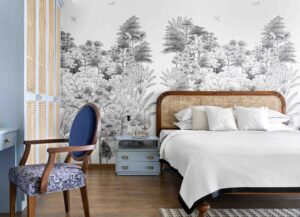
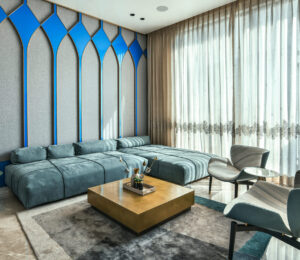
Each element within the home is expected to serve a purpose while also contributing to the overall atmosphere. Furniture, for instance, is chosen not only for its form but for its durability, comfort, and adaptability. Multi-functional pieces are becoming more common, reflecting a preference for flexibility over excess.
Craftsmanship plays a crucial role in this context. The quality of joinery, the precision of finishes, and the integrity of materials all contribute to a sense of understated refinement. These details may not be immediately visible, but they shape the experience of the space over time.
There is also a growing awareness of how design choices affect well-being. Natural materials can regulate temperature and improve acoustics. Reduced visual clutter can ease cognitive load. Access to natural light can influence mood and energy levels. Together, these factors create environments that support both physical and mental comfort.
Furniture within these spaces reflects a similar philosophy. Rather than following short-lived trends, there is a clear move toward timeless pieces that prioritise longevity and adaptability.
Natural materials such as wood, stone, and linen are favoured for their durability and tactile qualities. These materials age gracefully, allowing furniture to remain relevant over extended periods. As a result, interiors feel more stable and less subject to constant change.
The emphasis on timeless design also aligns with broader concerns around sustainability. Investing in well-made, long-lasting furniture reduces the need for frequent replacement and encourages a more mindful approach to consumption.
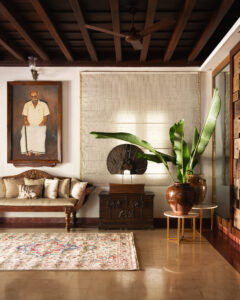
Sustainability is no longer treated as a separate layer of design. It is increasingly integrated into the sensory experience of the home. Materials such as hempcrete, cork, and mycelium offer environmental benefits while also enhancing acoustic and thermal comfort.
Biophilic elements, including indoor planting and green walls, contribute to air quality and visual softness. These features create a connection to nature that extends beyond aesthetics, influencing how a space feels and functions.
This integration of sustainability and comfort reflects a broader shift in priorities. Homes are being designed not only to reduce environmental impact but also to improve the quality of everyday life.
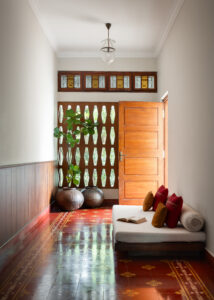
One of the more subtle yet impactful aspects of this design approach is the renewed focus on transitional spaces. Areas that exist between defined functions, such as verandas, window seats, or internal courtyards, are gaining importance.

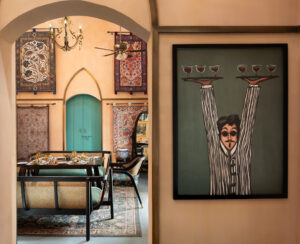
These spaces do not serve a singular purpose. Instead, they offer moments of pause. They allow occupants to shift between activities without abrupt changes, supporting a more relaxed and fluid experience of the home.
From a psychological perspective, such spaces can reduce mental fatigue by providing environments that require minimal engagement. They become places of quiet observation and rest, contributing to the overall sense of calm.