KOLKATA
In the last edition of Design Milestone 2025, Architect Anuj Bhandari of 42MM Architecture dropped a thought that refuses to leave the room. He wished he had been born in the 1940s. Not out of nostalgia, but because it was a moment when the world was forced to rethink everything, including how we lived. After World War II, design was no longer about excess or display. It was about rebuilding identity from scratch. For a designer, he said, there could be no better time to shape the future.
That question lingers. What did homes look like when the world was learning how to begin again? And more importantly, what can we borrow from that moment today?
Here’s how you can bring the quiet intensity of the 1940s into your own home without reducing it to a theme.
The palette of the 40s was not decorative. It was emotional. Mustard yellow, olive green, terracotta. These are colours that settle into a space rather than sit on top of it. They hold warmth without demanding attention.
This was a decade where fabric did more than soften a room. Khadi, silk, cotton were used not just for utility but for presence. Slight irregularities, visible weaves, weight in the drape. Use them across curtains, upholstery, cushions. Let them age.
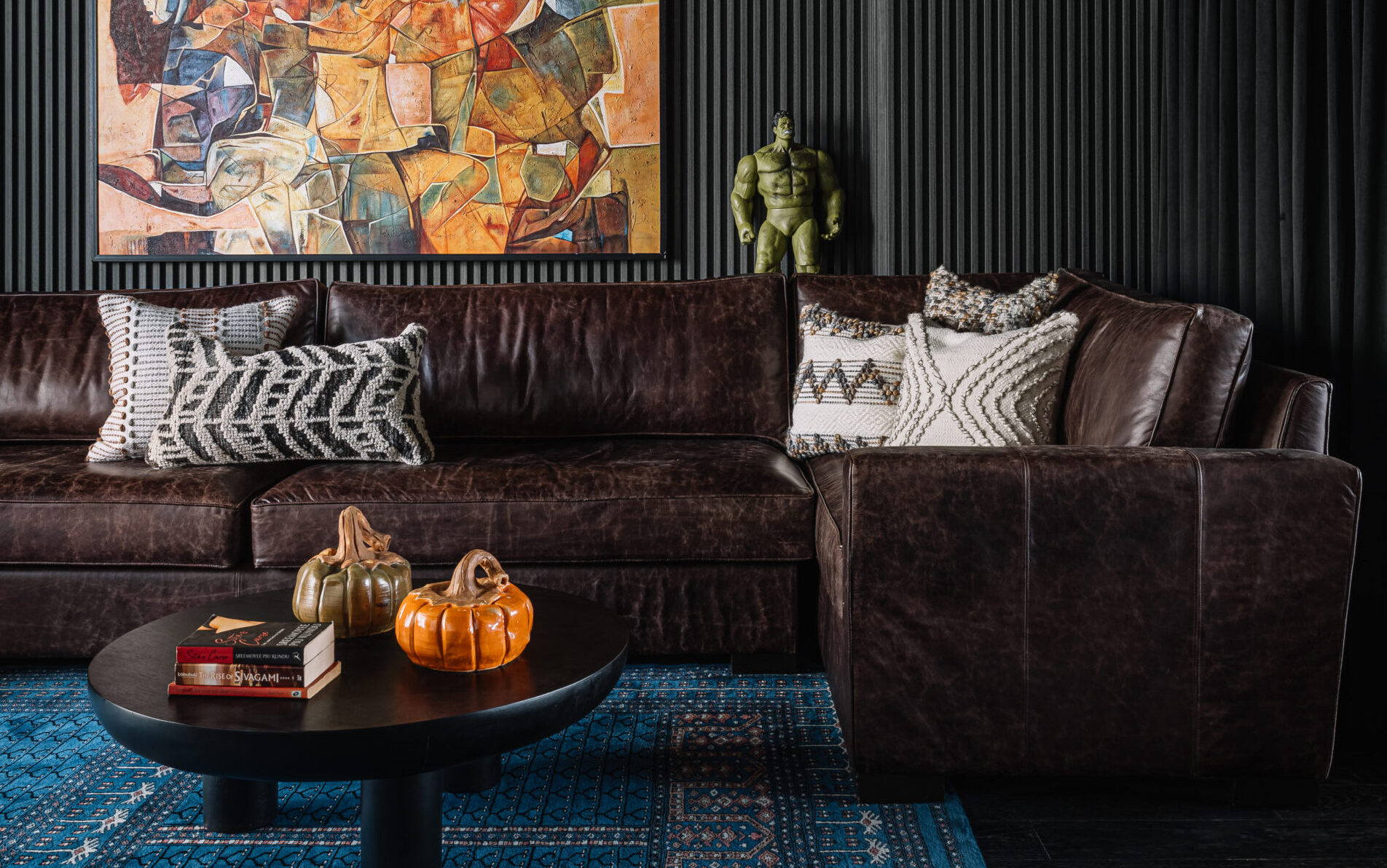
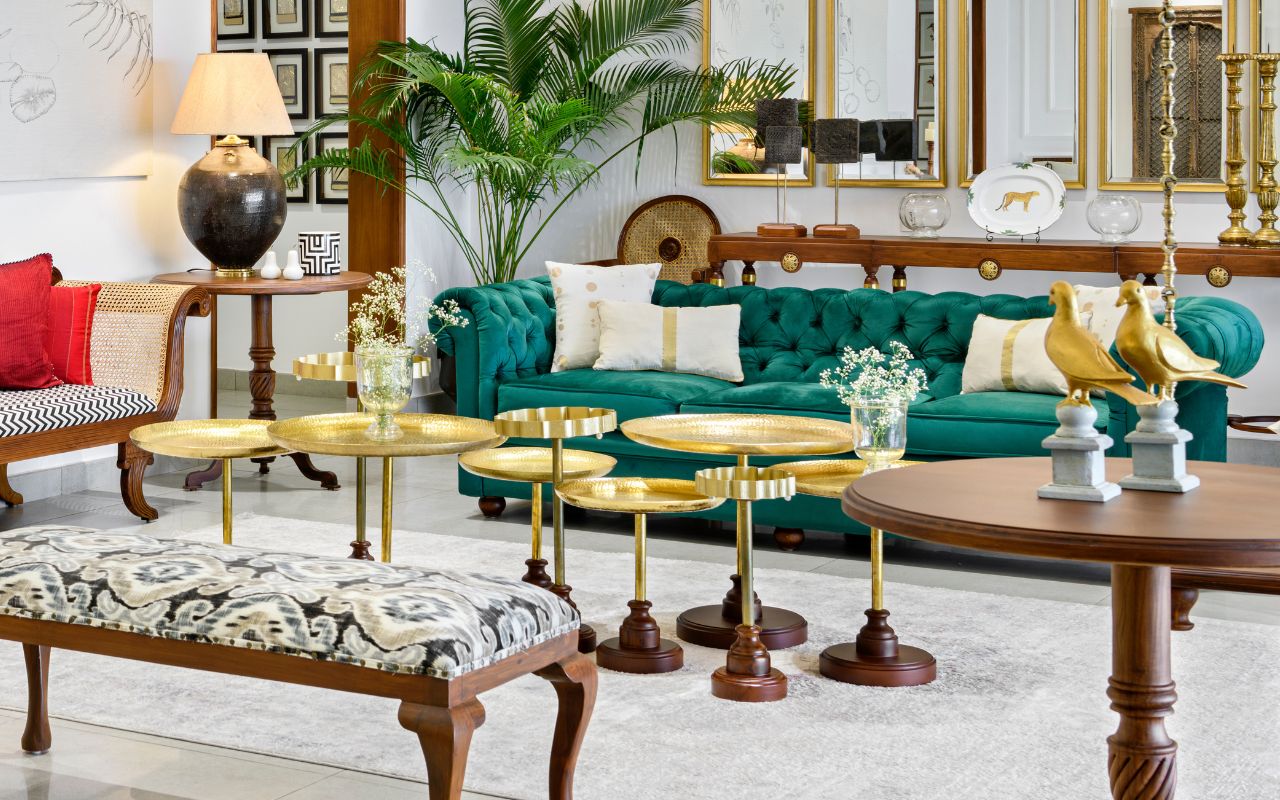
Wood dominated interiors for a reason. It was available, durable, and expressive. Look for pieces with carved detail, tapered legs, and low seating. The furniture was not minimal. It had character, and it stayed.
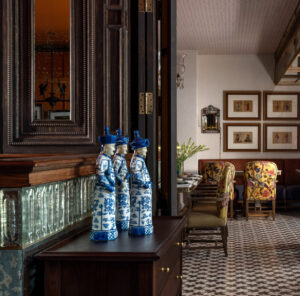
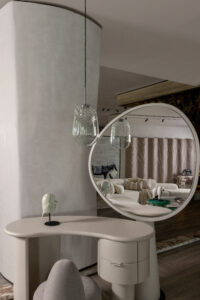
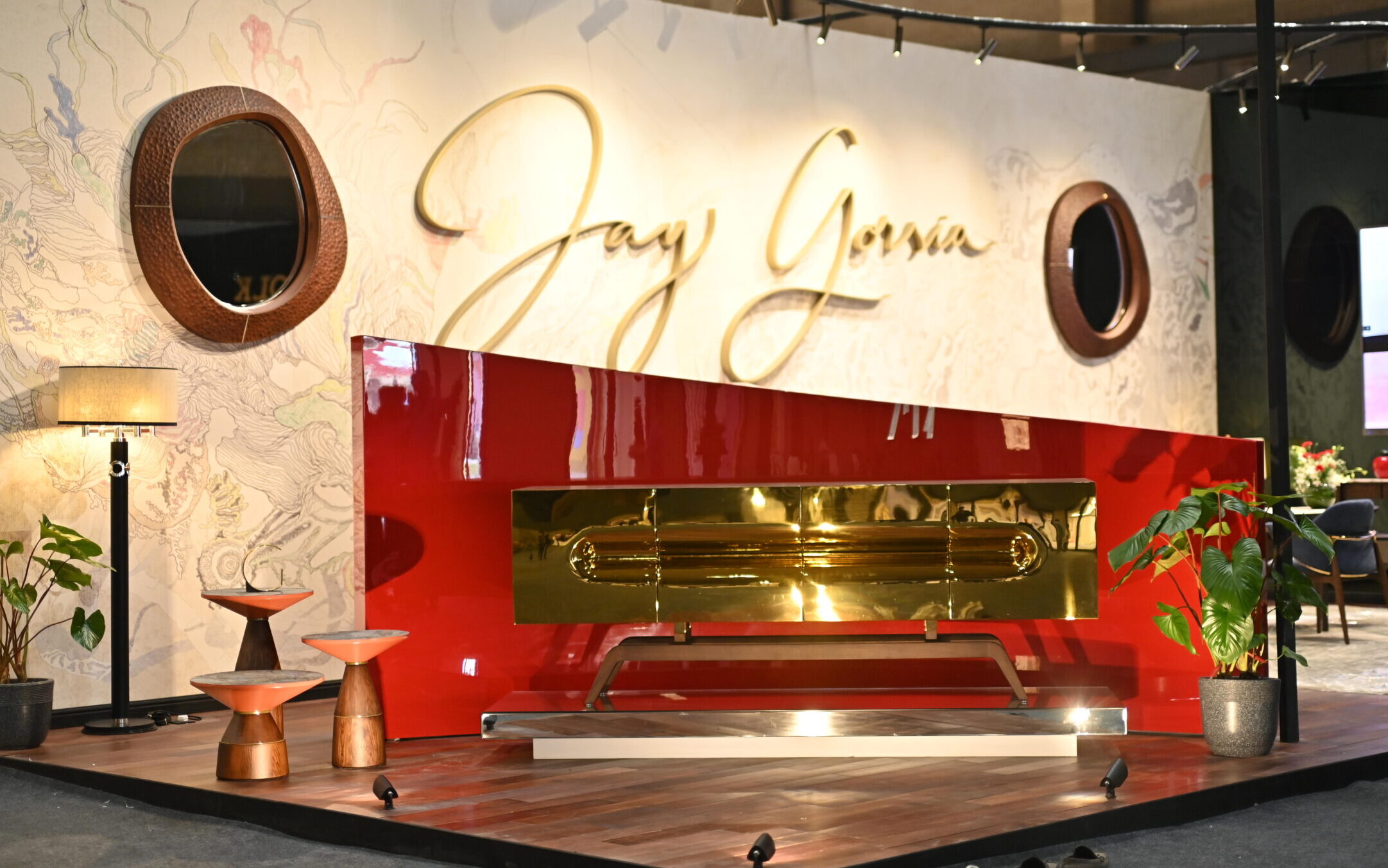
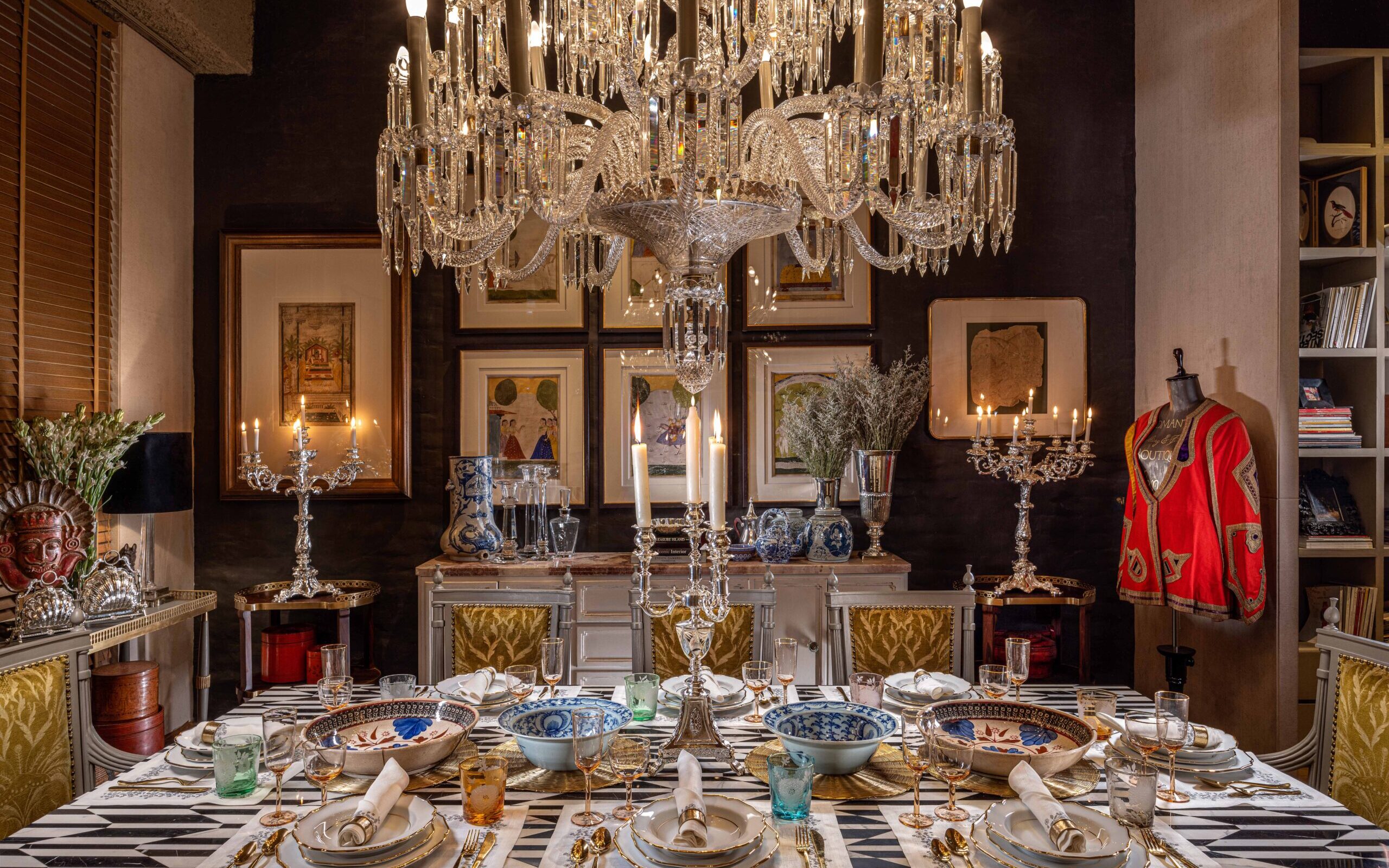
While homes were shaped by restraint, people were also looking outward. Films offered a version of life that felt distant and desirable. That influence translated into mirrors, metallic finishes, a hint of shine. One statement piece is enough. It should catch light, not clutter the room.
Floral prints returned strongly during this period, almost as a response to years of austerity. Pair them with subtle geometrics, especially on flooring. The combination should feel collected, not coordinated.
The 1940s were defined by limitation. Materials were scarce, spaces were modest. Carpets and linoleum replaced expensive flooring. Layouts prioritised use over display. Even today, the most enduring interiors are the ones that function first.
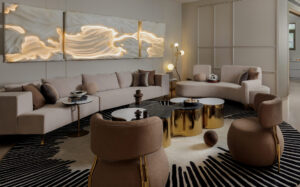
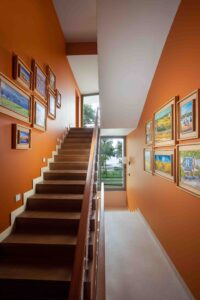
Living rooms were arranged around people, not screens. Seating faced inward. Tables held objects that invited interaction. Recreate that logic. A room should encourage presence, not distraction.
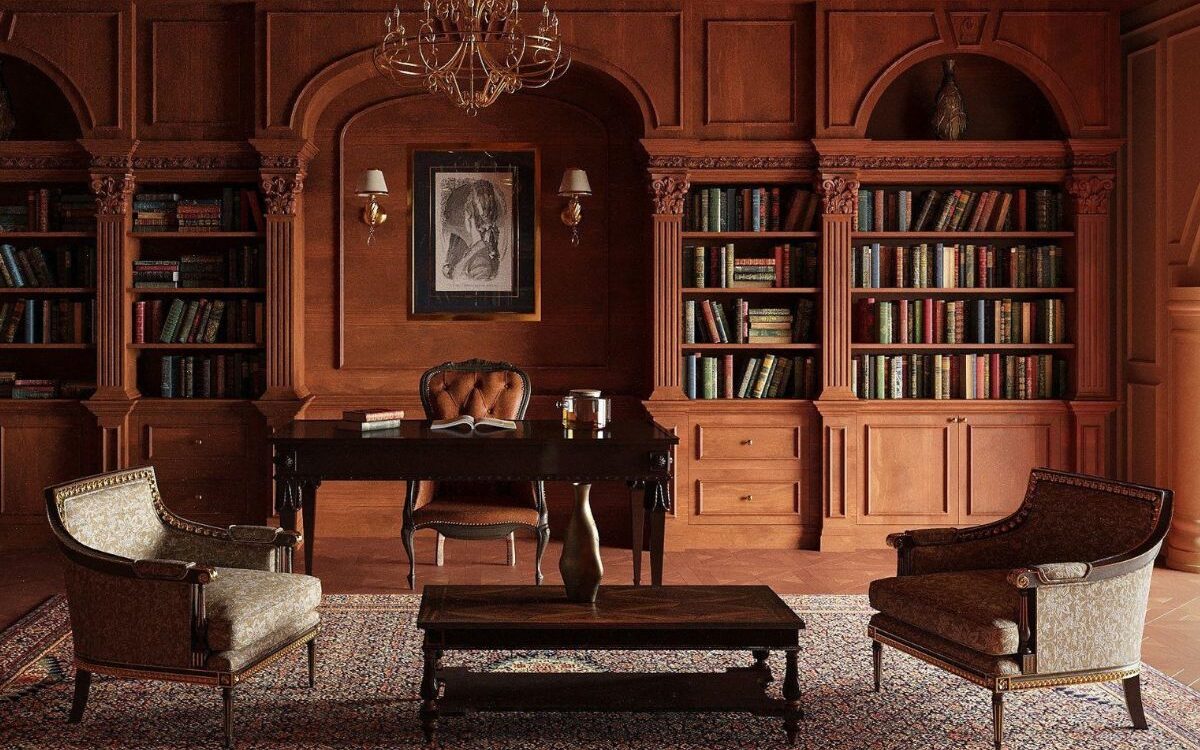
Post war homes leaned into familiarity. Dark wood, classic forms, inherited pieces. But there was also a quiet shift underway. The beginnings of what would become mid century modern. You can mirror that by pairing older elements with cleaner, more restrained forms.
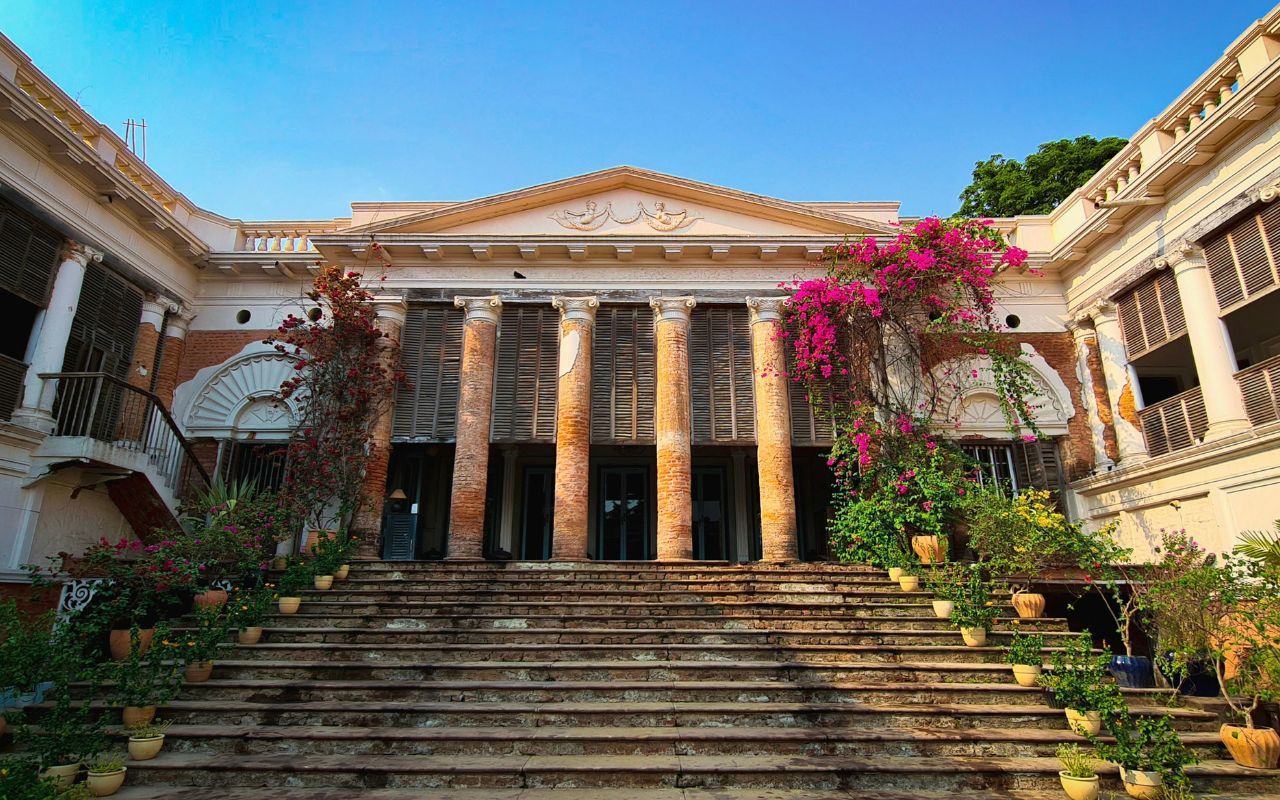
Even modest homes of the time understood scale. Windows were placed with intent. Light was allowed to move through the house. You don’t need large openings, just thoughtful ones.
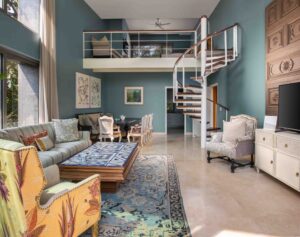
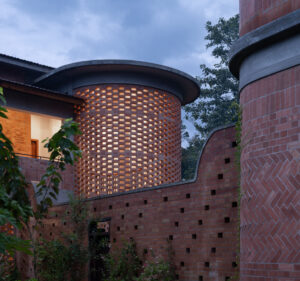
Perhaps the most important lesson. The 1940s interior was never static. It adapted slowly, shaped by circumstance and time. There was no rush to complete it. That is where its depth came from.
The decade itself sat between two worlds. One still carrying the weight of the past, the other beginning to imagine what came next. That tension is what made its interiors so compelling. They were not perfect, but they were honest. And that honesty is what continues to resonate.