KOLKATA
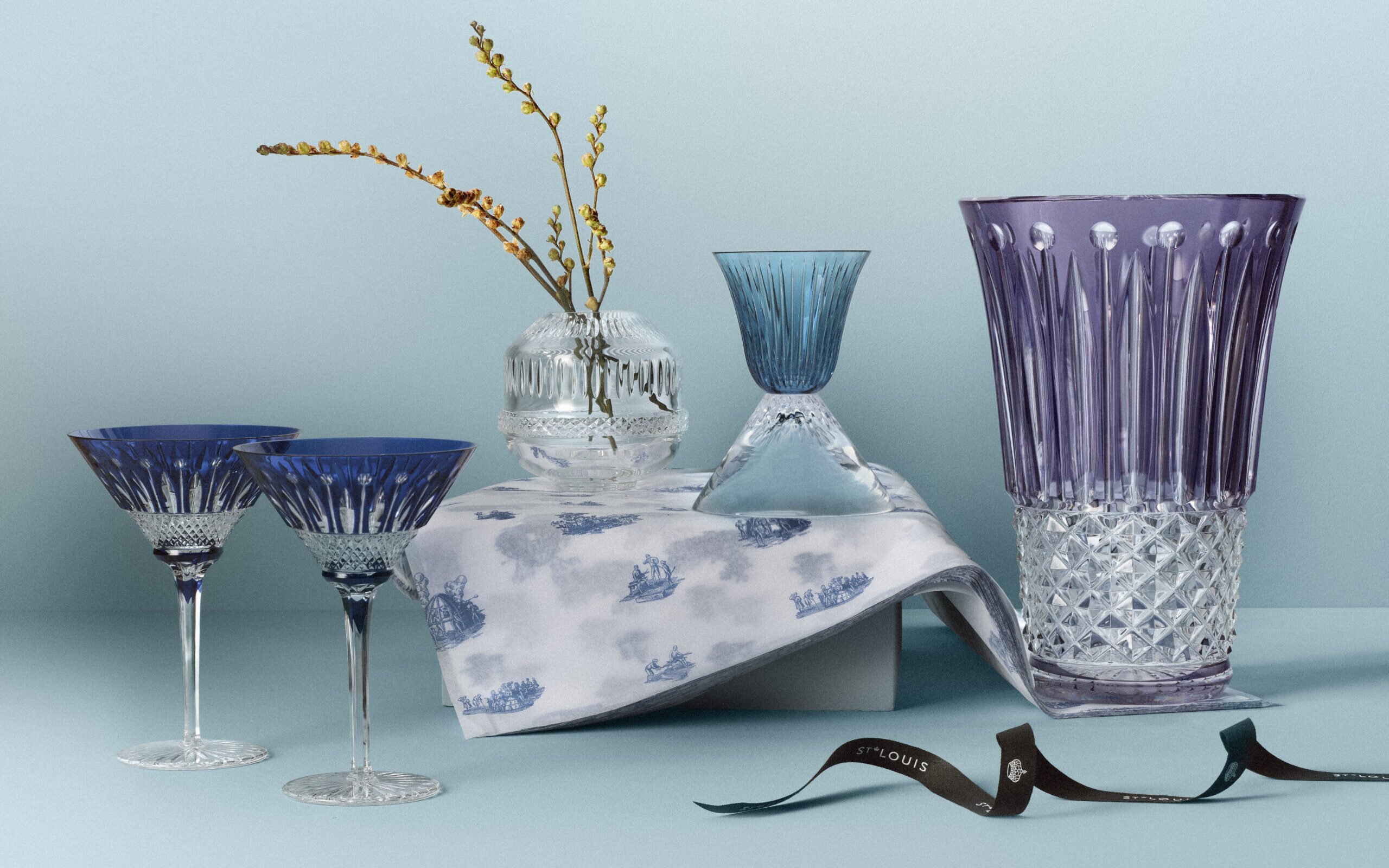
The French take their table settings quite seriously. The weight of a glass, the proportions of its stem, the sound it makes during a toast, even the way its colour looks against a white tablecloth are matters of considerable importance. Saint-Louis, one of France’s historic crystal houses, has devoted much of its existence to perfecting these little details.
Its story begins in a glassmaking region where the craft was already established in the sixteenth century. In 1767, Louis XV conferred royal status upon the manufacture, giving it the name Saint-Louis. By 1782, the development of its crystal formula had earned it the distinction of becoming the Royal Cristallerie of Saint-Louis.
What is particularly intriguing about the house is its fondness for colour. Rich blues, greens and reds bring a certain flamboyance to its glassware, especially when combined with elaborate cutting. In some pieces, coloured crystal is applied over clear crystal and subsequently cut to expose the transparent material beneath. The results can be wonderfully intricate.
Much of the work is still done by hand. Glassblowers shape molten crystal using their breath, cutters work meticulously on its surface, and engravers introduce finer decorative details. Certain pieces are embellished with 24-carat gold or platinum. Among the craftsmen are holders of the Meilleurs Ouvriers de France, a prestigious distinction awarded for exceptional professional skill.
Saint-Louis has never been particularly conservative about design. During the artistic upheavals of the early twentieth century, it worked with designers such as Paul Nicolas, Jean Luce and Maurice Dufrêne, absorbing the changing tastes of Art Nouveau and Art Deco. Its more recent associations with Pierre Charpin, Noé Duchaufour-Lawrance, Pierre Marie and José Lévy have brought fresh proportions, unusual silhouettes and a more playful sensibility to crystal.
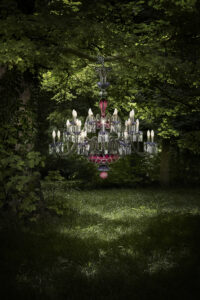
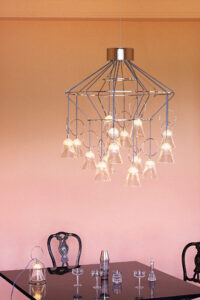
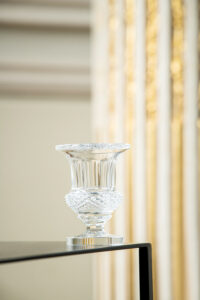
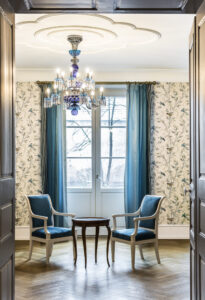
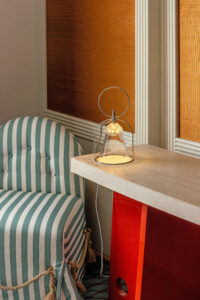
Lighting is an especially interesting part of its repertoire. The material behaves quite differently when illuminated from within, revealing details that might go unnoticed in daylight. Alongside lamps and chandeliers, the house produces furniture, decorative objects and an extensive selection of tableware.
For those who enjoy entertaining, there is considerable pleasure in putting together a collection of Saint-Louis glassware. The pieces need not match. Different colours, cuts and silhouettes can make a dinner table far more attractive than an impeccably coordinated service.
It is a rather French approach to decorating: buy what you love, develop your own taste and allow beautiful possessions to become part of the pleasures of daily life.