KOLKATA
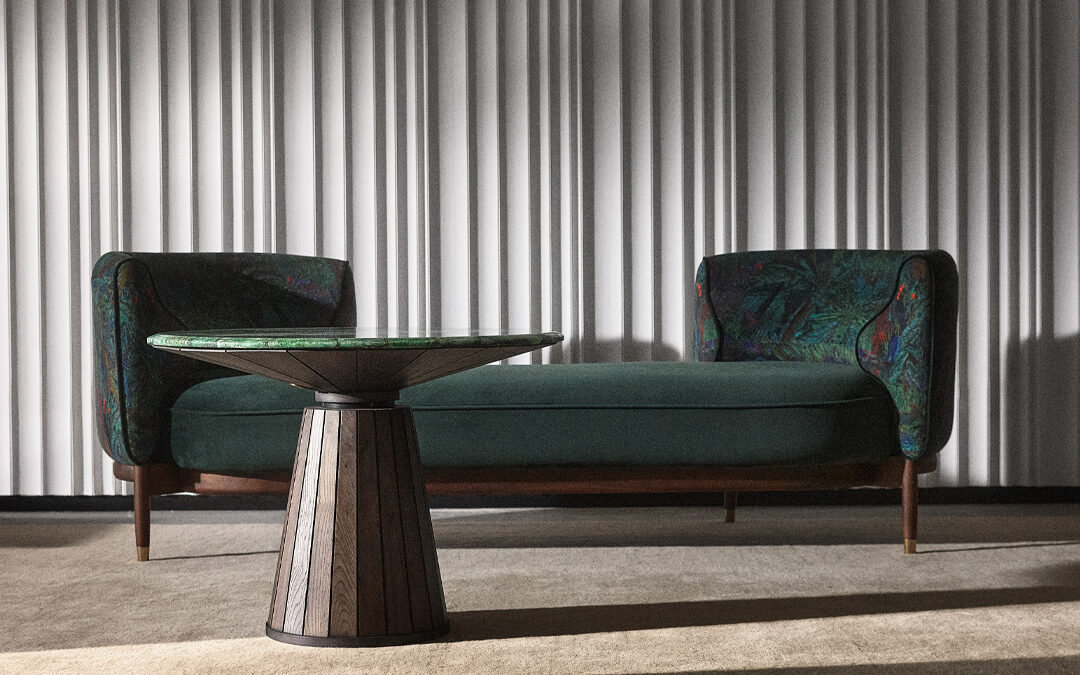
Every chair begins with a body, even when there is nobody sitting in it. There is the bend of a knee, the angle of a back at rest, the reach of an arm towards a table, the small adjustments we make before settling into a seat. Jay Gorsia pays attention to these almost invisible geometries. An architectural designer by training, he approaches furniture as something that must first make sense to the person using it. Beauty comes into the equation, certainly, but never at the expense of the body.
It is an idea shaped by years spent designing high-end residences from New York to Honolulu. Architecture taught Gorsia to think in proportion, structure and scale. Furniture brought those calculations considerably closer to the skin.
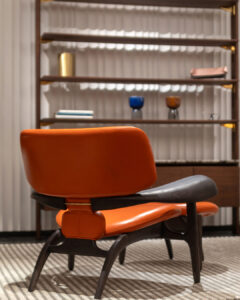
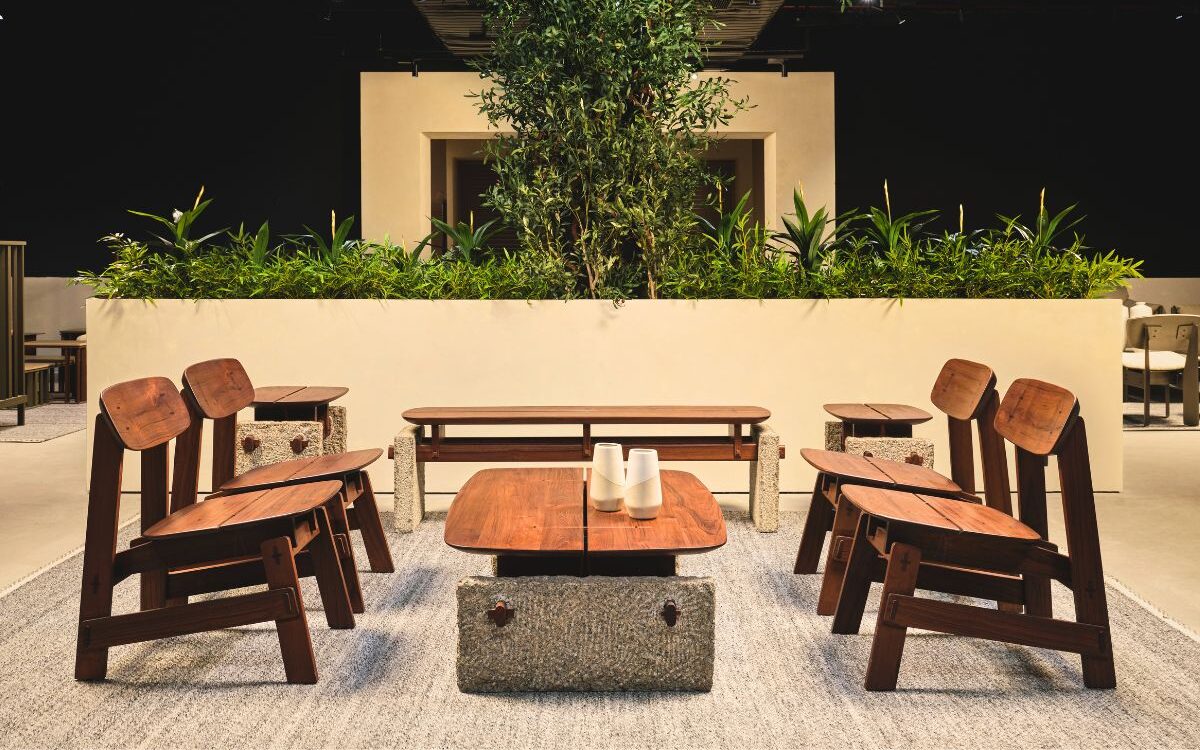
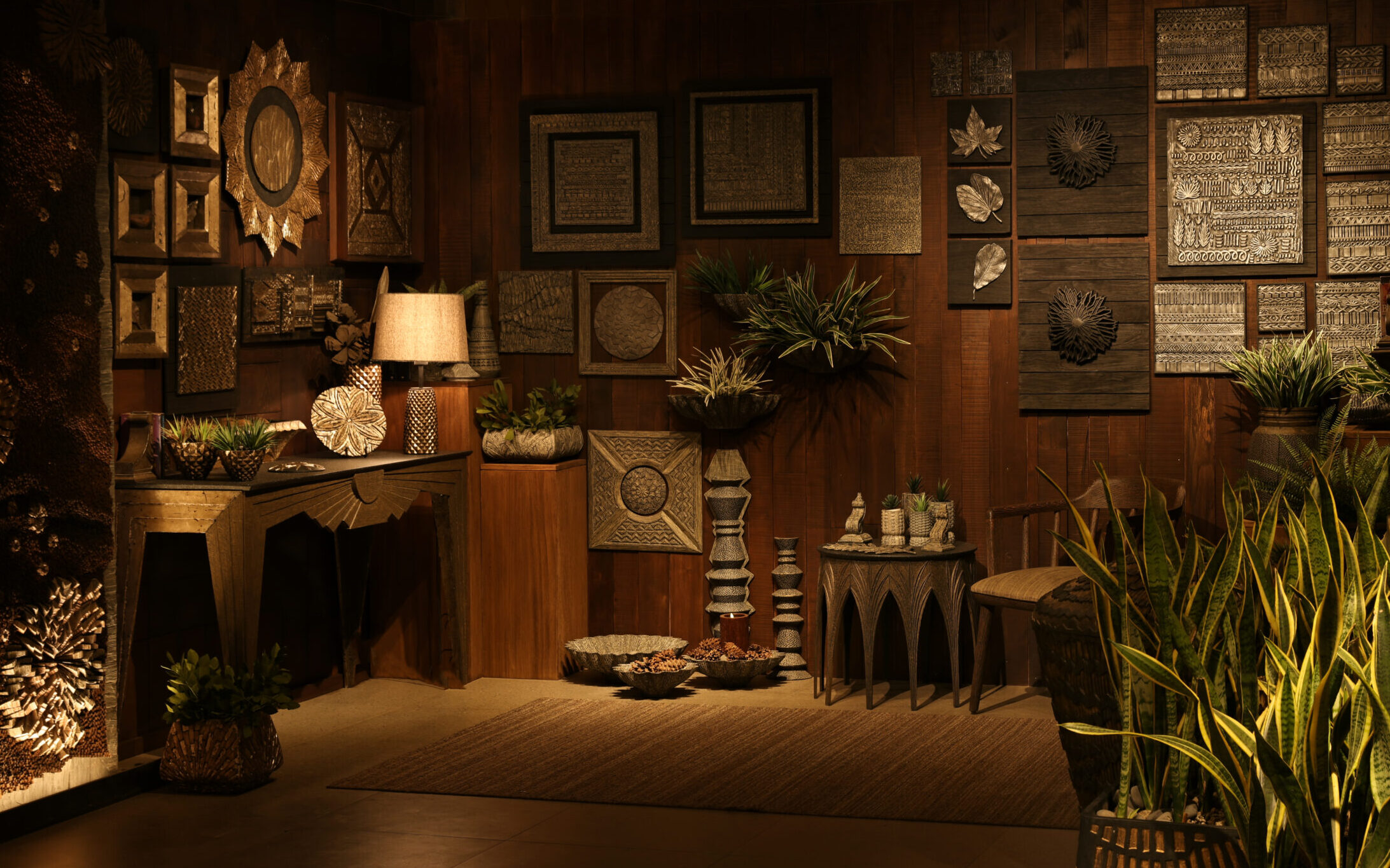
For more than 25 years, his eponymous brand has been making furniture in India, growing from a small workshop into an advanced manufacturing facility. Yet the factory has not replaced the hand. Artisan knowledge and contemporary engineering operate side by side, allowing a sketch to be tested, altered and tested again until line, comfort and construction reach an agreement.
Gorsia’s New York practice adds another layer to the vocabulary. The disciplined geometry of Bauhaus and the glamour of 1930s Art Deco are recurring references, although neither is reproduced literally. A clean structural line might acquire an unexpected flourish; a generous curve may soften a rigorous silhouette. Function keeps extravagance in check, while detail prevents utility from becoming ordinary.
The process itself is rarely linear. Gorsia describes design as moving back and forth, closer to the motion of water than a march from drawing board to production. Ideas are refined through experimentation, collaboration and manufacturing knowledge. Nature, objects and the curves of the human figure can all provide clues.
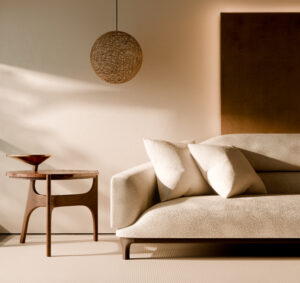
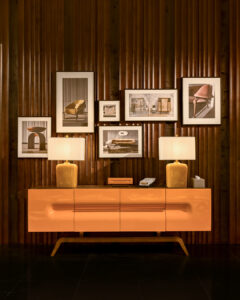
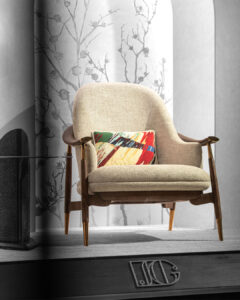
This patience is central to his idea of generational furniture. Materials must earn their place. Construction should withstand scrutiny. Nothing should require decorative distraction to conceal how it has been made.
Technology now allows the company to test the meeting point between engineering and artistic expression more ambitiously, but Gorsia remains equally invested in skilled making, creative independence and furniture built for long use.
Perhaps this is why his definition of luxury feels refreshingly physical. A beautiful chair may catch your eye from across the room. A truly good one makes you want to stay in it forever.