KOLKATA
For years, fashion lived in wardrobes and interiors stayed within walls. That neat separation has slowly dissolved. Today, the same designers once known for couture are shaping how we live. Luxury interiors, décor, and architecture have become natural extensions of their creative language.
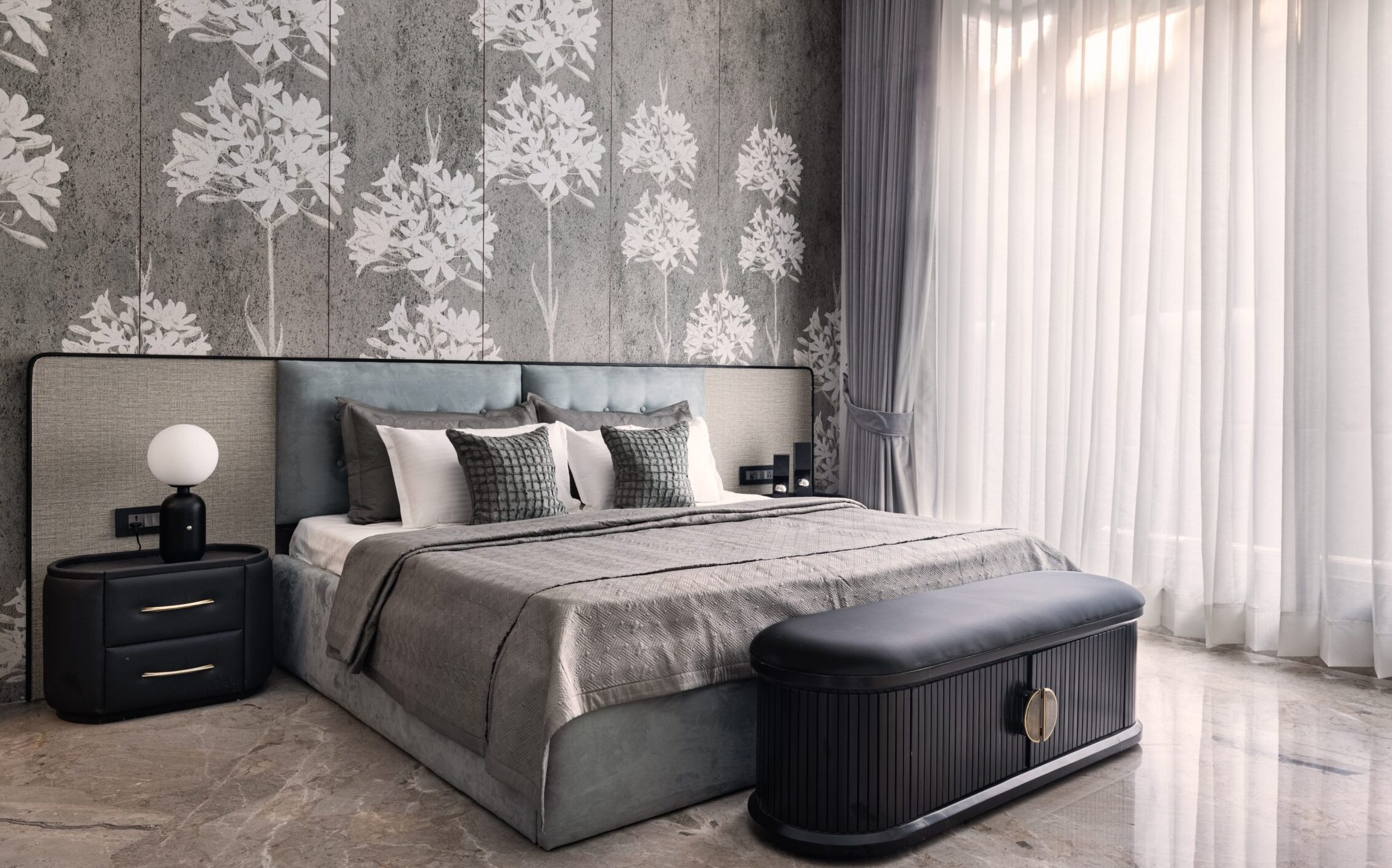
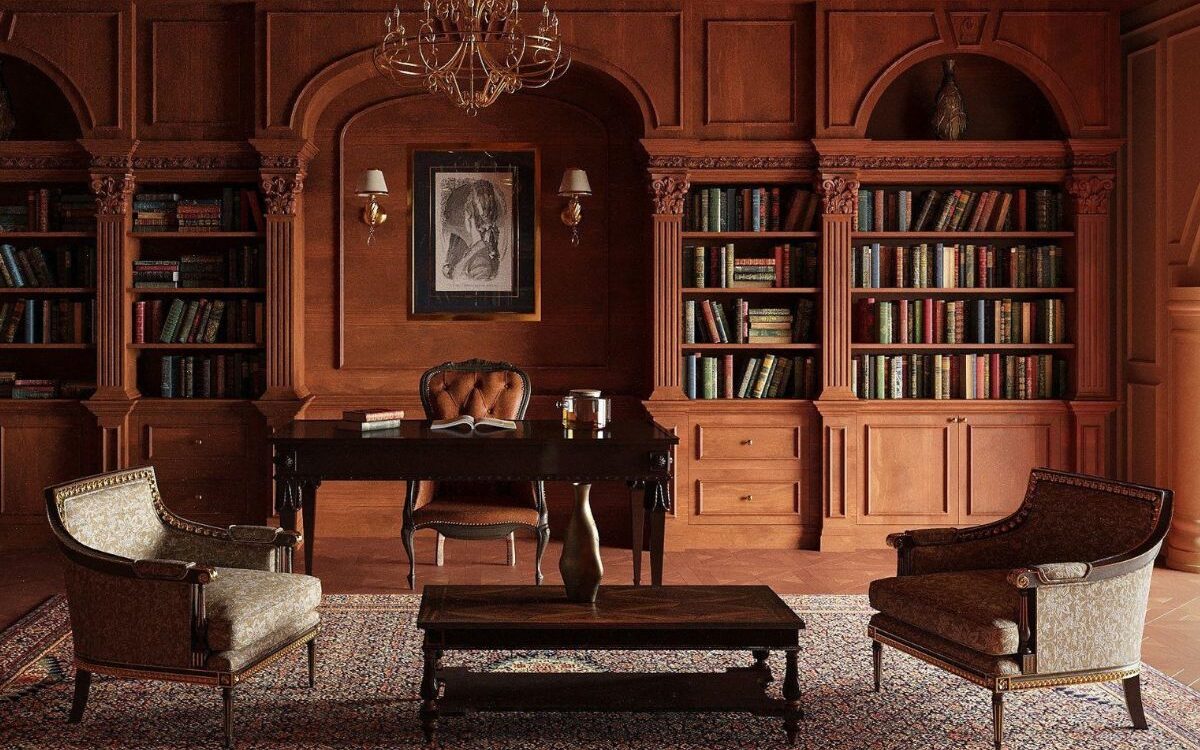
Sofas, chairs, rugs, and tableware are no longer quiet additions to a room. They hold personalities. They reflect choices. They tell you something about the person who lives there. A home is not simply designed anymore. It is put together with the same care as an outfit, layered piece by piece until it feels complete.
This shift did not happen overnight. It began with small, thoughtful collaborations between fashion houses and décor brands. Over time, those experiments grew into full home collections and interior practices. Today, furniture often feels as intentional as couture, and living spaces feel as considered as a wardrobe.
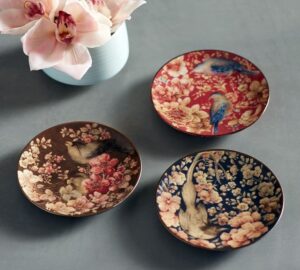
The early signs were subtle. A designer print appeared on fine china. A wallpaper line carried the signature of a couture house. A few exclusive furniture pieces made their way into carefully chosen stores. These collections stood out because they felt rare and personal.
They also proved something important. A designer’s point of view could move beyond clothing without losing its identity. As people began spending more time at home, the relationship with space changed. Rooms needed to do more. They had to comfort, inspire, and reflect who we are. Designers responded by stepping in fully. They did not just collaborate anymore. They built entire home lines, opened new retail formats, and created interior design studios. Stores turned into lifestyle spaces. Online platforms made these collections easier to access. The home became part of the same story as fashion.
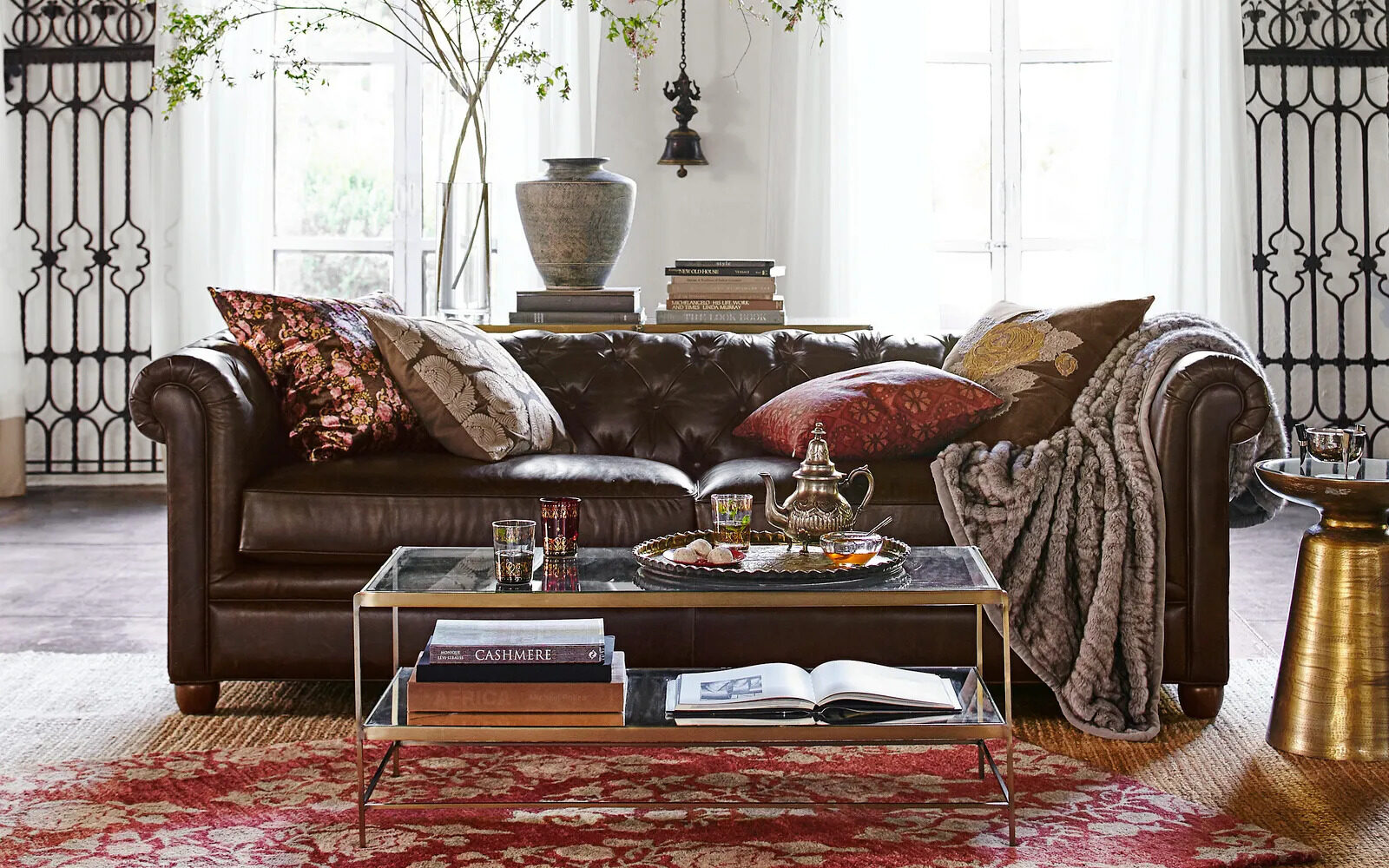
The idea of “wearable” interiors may sound unusual, but it makes sense. We choose our clothes carefully. We mix, match, and layer. The same instinct has begun to guide how we design our homes. A sofa can feel structured, almost like tailored clothing, or relaxed, like something you would wear on a holiday. Upholstery carries prints, textures, and embroidery that echo textiles. A dining table can feel formal, almost ceremonial. Even the smallest details, like cushions or lighting, are chosen with intent.
You are not just filling a space. You are shaping a point of view.

Few designers have carried their signature into interiors as effortlessly as Sabyasachi Mukherjee. His work has always leaned towards richness and nostalgia, and that sensibility translates naturally into luxury décor. His collaborations have helped bring this vision into homes. With Pottery Barn, he introduced a collection that brought detailed prints into everyday living. His work with Thomas Goode & Co. turned tableware into something more collectible, where craftsmanship met heritage. In India, his association with Asian Paints through Nilaya has become widely recognised. Wallpapers and upholstery carry dense patterns and layered references, often becoming the focal point of a room. His interiors, including the Cinema Suite at Taj 51 Buckingham Gate Suites and Residences, reflect a deep sense of mood, drawing from old-world glamour without feeling staged.
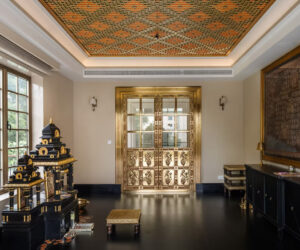
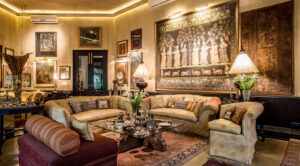
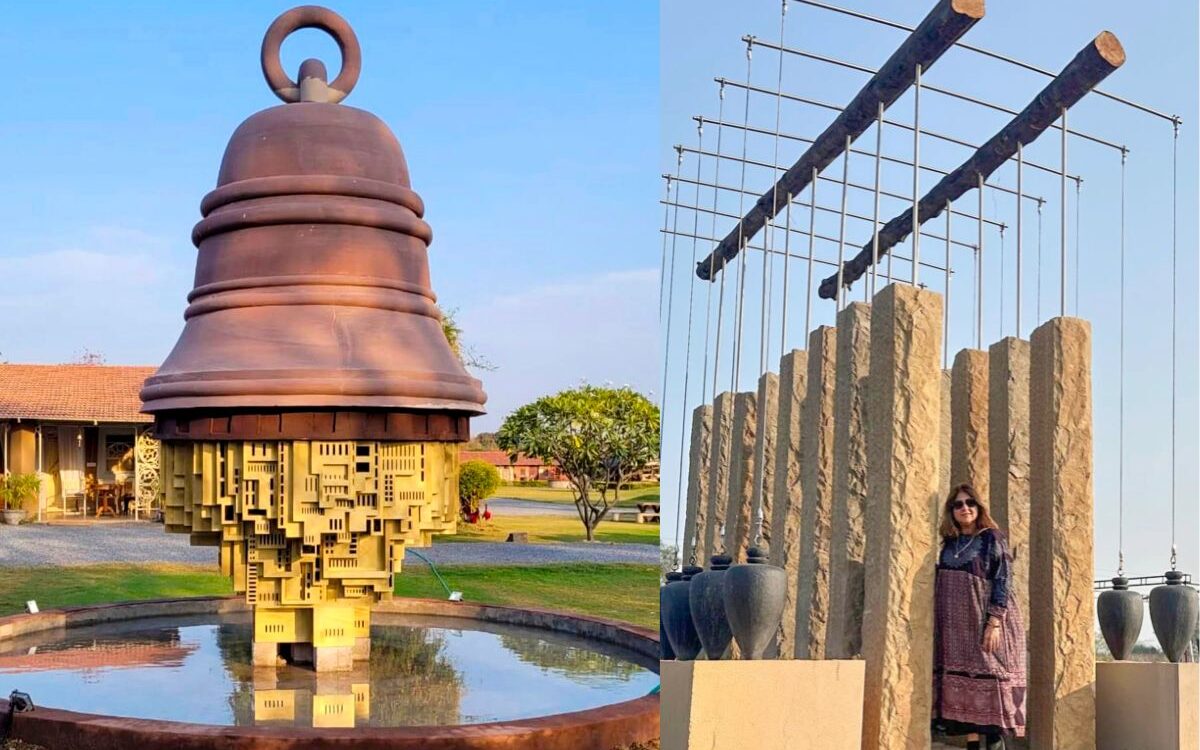
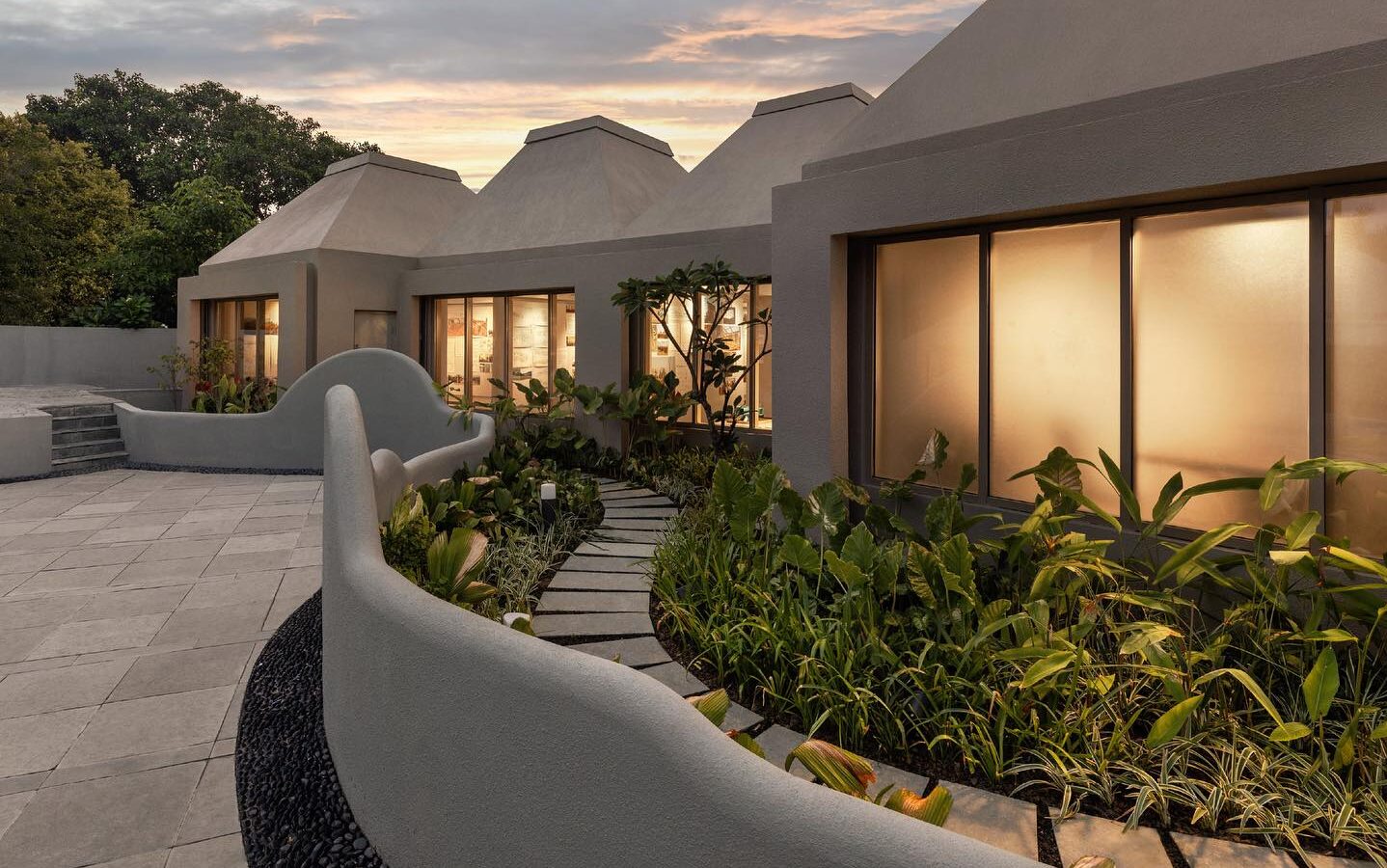
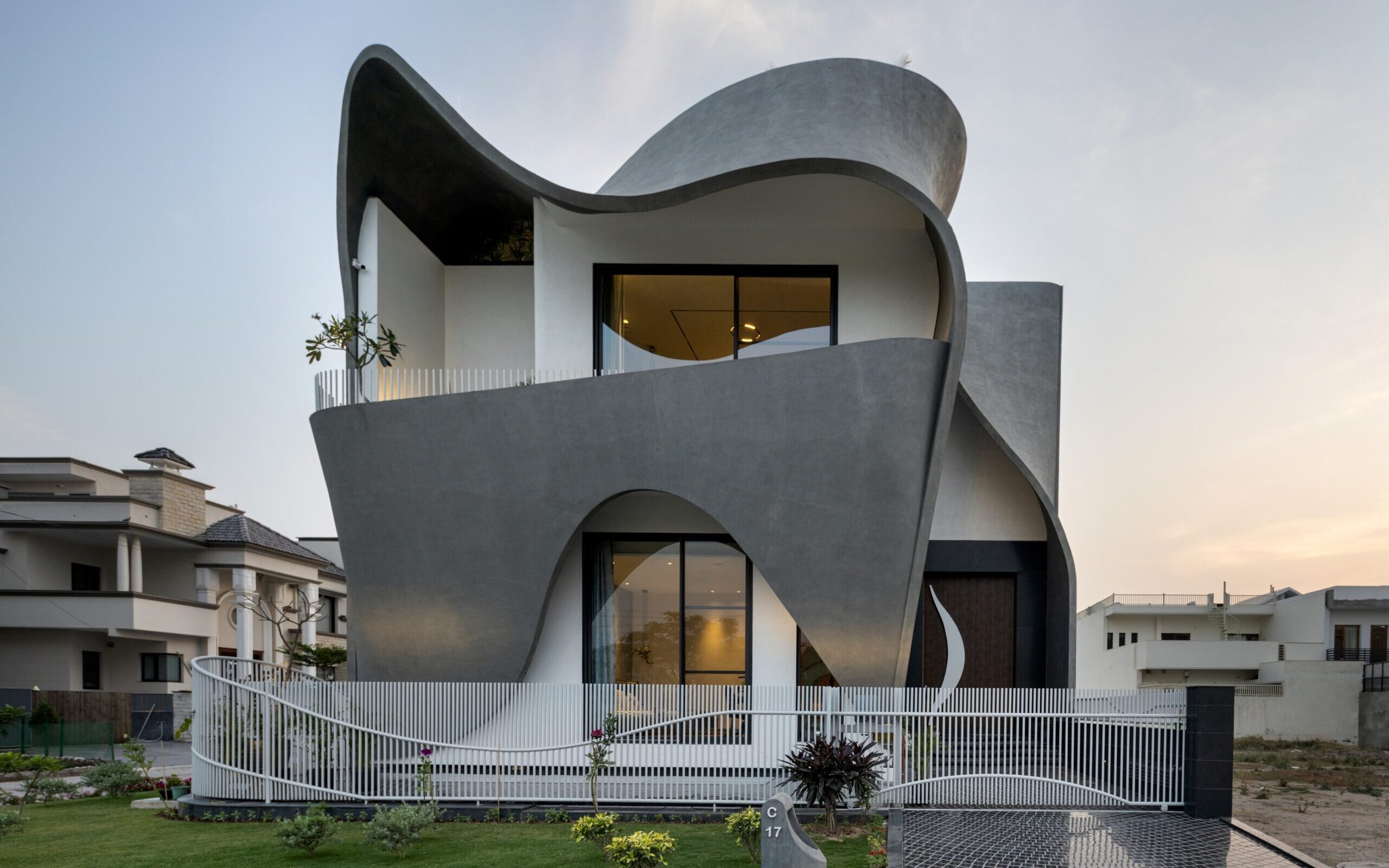
Tarun Tahiliani’s work in interiors reflects the same balance seen in his garments. His idea of India Modern brings together tradition and contemporary ease without letting either dominate. Through Tahiliani Homes, he has moved into architecture, interiors, and landscape design. His projects range from villas to farmhouses, each treated as a complete environment. Everything is thought through, from the land itself to the smallest detail inside the home. There is a certain calm in his spaces. Materials are chosen carefully, furniture is often custom-made, and art is placed with intention. Nothing feels excessive. The luxury is subtle, revealing itself slowly over time.
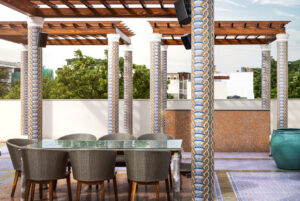
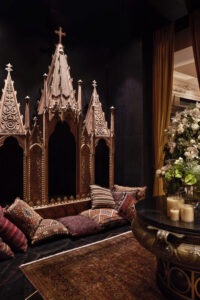
JJ Valaya approaches interiors like storytelling. His work brings together influences from travel, history, and personal memory. Valaya Home extends his vision into furniture, tapestries, and interior architecture. His embroidered wall pieces often act as centrepieces, anchoring the space. The process begins with ideas and sketches, which are then developed into detailed environments with the help of artisans. His spaces feel layered, almost as if they have evolved over time rather than being designed in one go. There is always something to discover, a detail that reveals itself slowly.

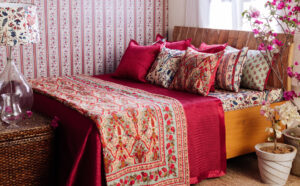
Ritu Kumar’s move into interiors feels like a natural progression. Her work has always been deeply connected to Indian textiles, and that connection continues in her home collections. Her range includes everything from upholstery to tableware, all rooted in traditional techniques like block printing and embroidery. The pieces feel familiar, almost like they belong to another time, yet they sit comfortably in modern homes. Her approach is gentle. It does not try to stand out loudly. Instead, it builds a space that feels warm, lived-in, and grounded in craft.
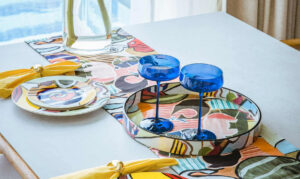

Shivan and Narresh bring the spirit of travel into interiors. Their spaces reflect the ease and brightness of resort living. Their home line includes wallpapers, furniture, and accessories, all marked by bold prints and strong colour. Their journey began with designing their own space, which later grew into a broader offering. Their interiors are built around feeling. Light, colour, and layout come together to create spaces that shift through the day. The aim is simple: to make a home feel like an escape.

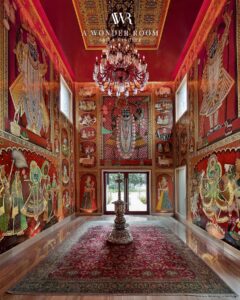
Abu Jani and Sandeep Khosla have always embraced detail, and their interiors reflect that instinct. Their spaces bring together different materials, styles, and influences without losing clarity. Their work spans furniture, interiors, and architectural ideas. Wood, brass, textiles, mirrors, and antiques sit alongside contemporary elements. Lighting plays a strong role, shaping how the space feels. Even with so much detail, their interiors feel cohesive. Each project carries its own identity, shaped carefully rather than repeated.
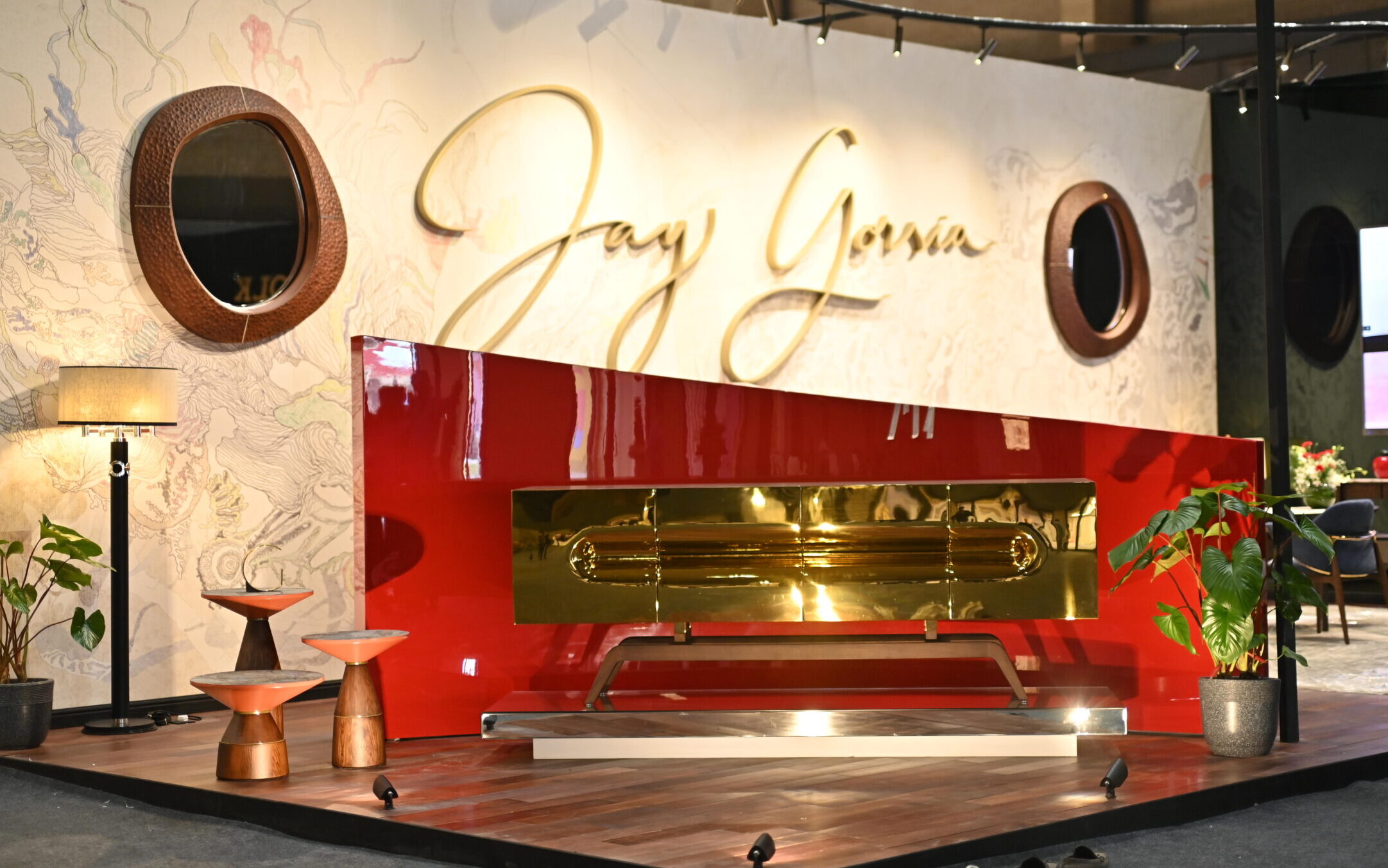
At the centre of this movement is a shift in how we see our homes. They are no longer just places to live. They are reflections of who we are. Craft remains important. So does quality. But branding and exclusivity have added another layer. Limited pieces, bespoke furniture, and carefully curated décor have made interiors feel more personal than ever. In the end, luxury is no longer just about what you wear. It is about how you live with it.