By Nandini Banerjee
There is something deeply romantic about brass. Not merely in its golden sheen, but in the way it holds light, memory and silence all at once. Its surface carries the warmth of touch and the quiet dignity of age, growing richer with time rather than fading. In Indian homes, temples and heirlooms, brass has long existed not as ornament alone, but as inheritance. A material woven into the country’s design language through ritual, craftsmanship and everyday beauty.
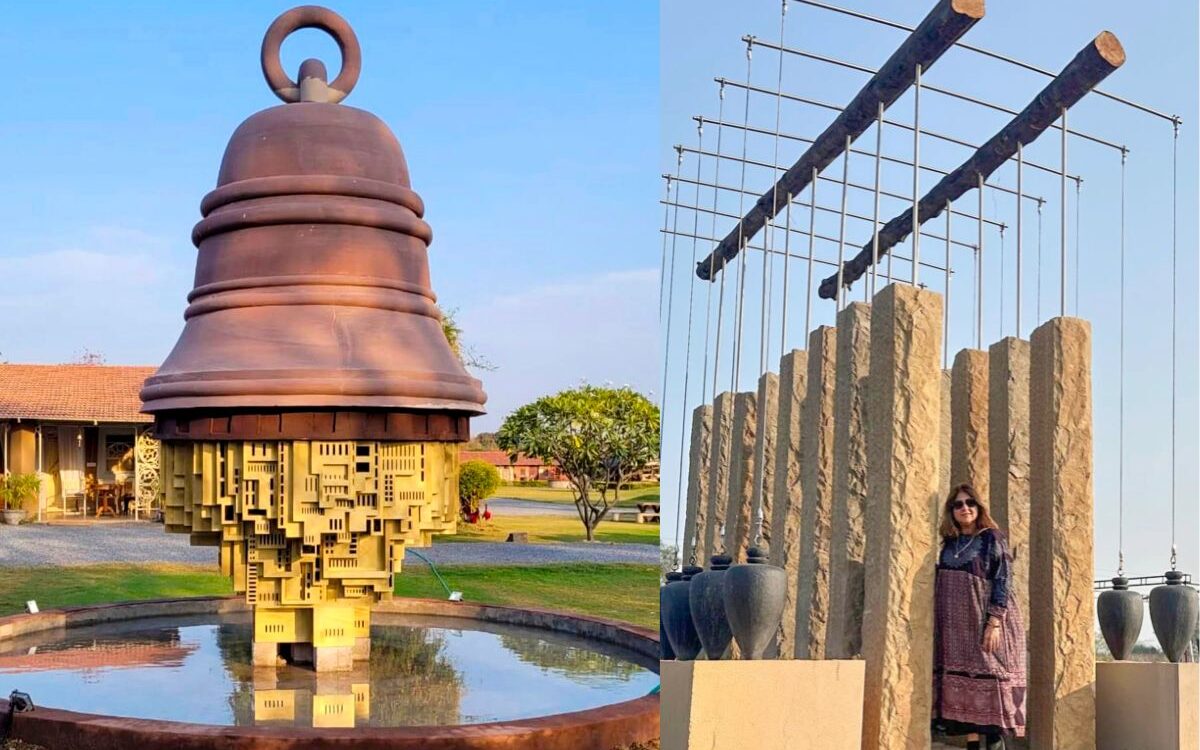
Now, after years of restraint and minimal palettes, brass is finding its glow again. Contemporary designers are returning to it with renewed fascination, reimagining the material through sculptural forms, softened finishes and unexpected applications that feel both modern and deeply rooted. As architect Varun Goyal remarked at Design Milestone 2025, brass was not simply a material choice for him, but an obsession, a desire. And perhaps that is precisely what brass has always been: less a trend, more a longing.
A Metal That Carries Memory
In India, brass never truly disappeared. It remained quietly present in puja rooms, inherited urulis, temple bells and kitchen vessels polished lovingly over generations. What has changed today is the way it is being viewed. Brass is no longer confined to traditional settings. It is stepping confidently into contemporary homes, where its warmth feels especially welcome against clean lines and restrained palettes.
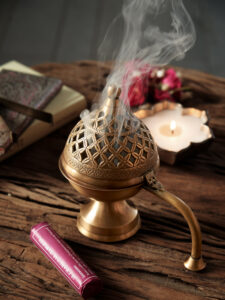
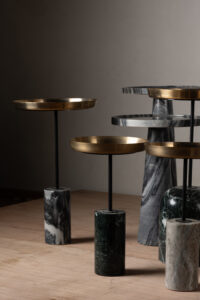
Minimal interiors once leaned heavily on colder metals and monochromatic finishes. Brass changes that mood entirely. It introduces softness into modern spaces without disturbing their simplicity. Against stone, lime plaster, linen and wood, its mellow glow feels grounding and intimate.
Unlike chrome or steel, brass has a certain emotional warmth. It catches daylight gently and reflects evening light with a quiet richness that immediately alters the atmosphere of a room. Even the smallest details, a cabinet handle, a lamp base or the trim of a console, can shift the character of a space from stark to inviting.
How Brass Is Being Used Today
The most beautiful use of brass in modern interiors is often the most restrained. Instead of overpowering a room with heavy ornamentation, designers are choosing quieter applications that allow the material to reveal itself gradually.
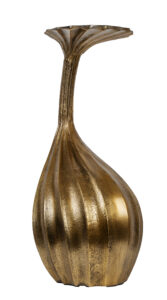
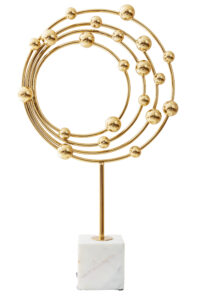

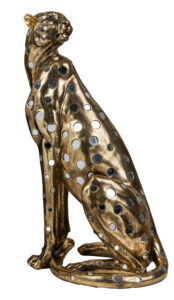

- In kitchens, brass has moved far beyond cabinet handles. Thin brass trims are being embedded into marble countertops and island edges, giving stone surfaces a tailored finish. Brass faucets paired with textured quartzite or deep green stone create a striking contrast that feels warm rather than clinical. Open shelving supported by slim brass brackets adds a subtle glow against muted walls and wooden cabinetry.
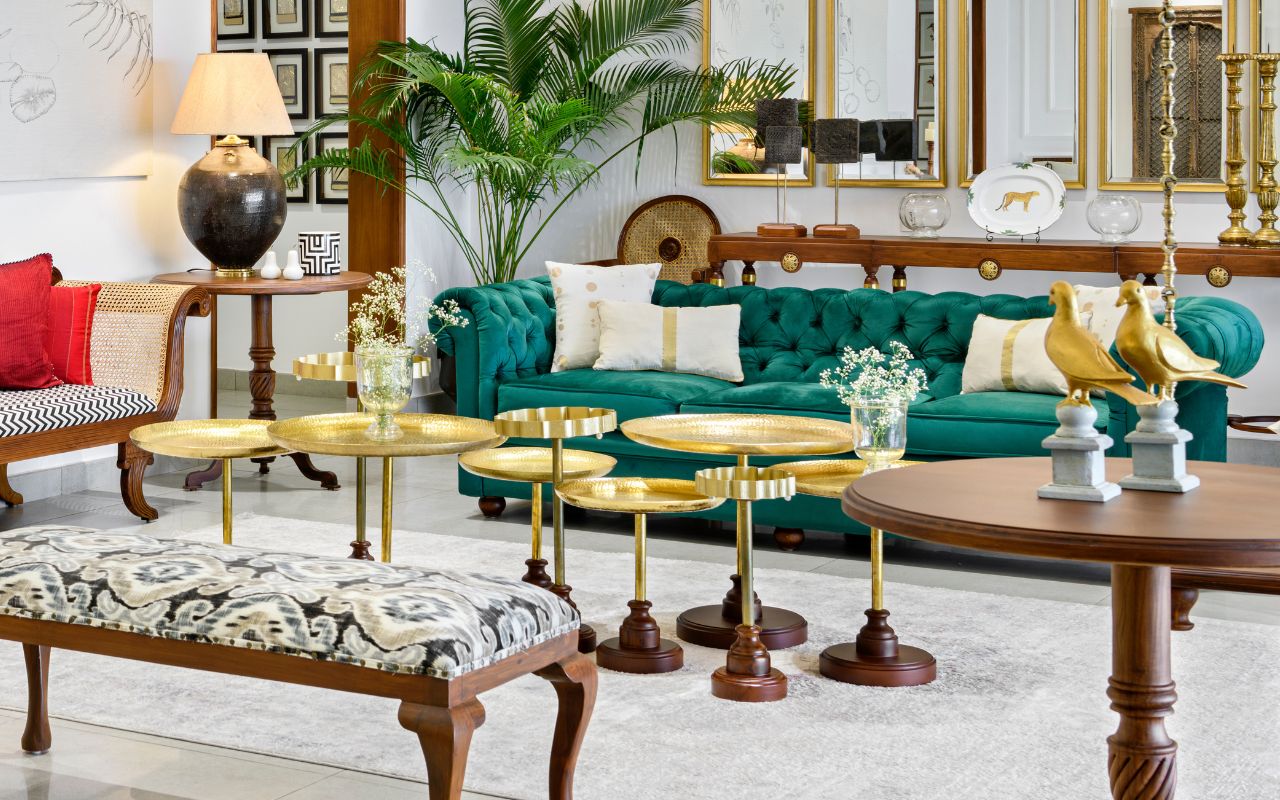
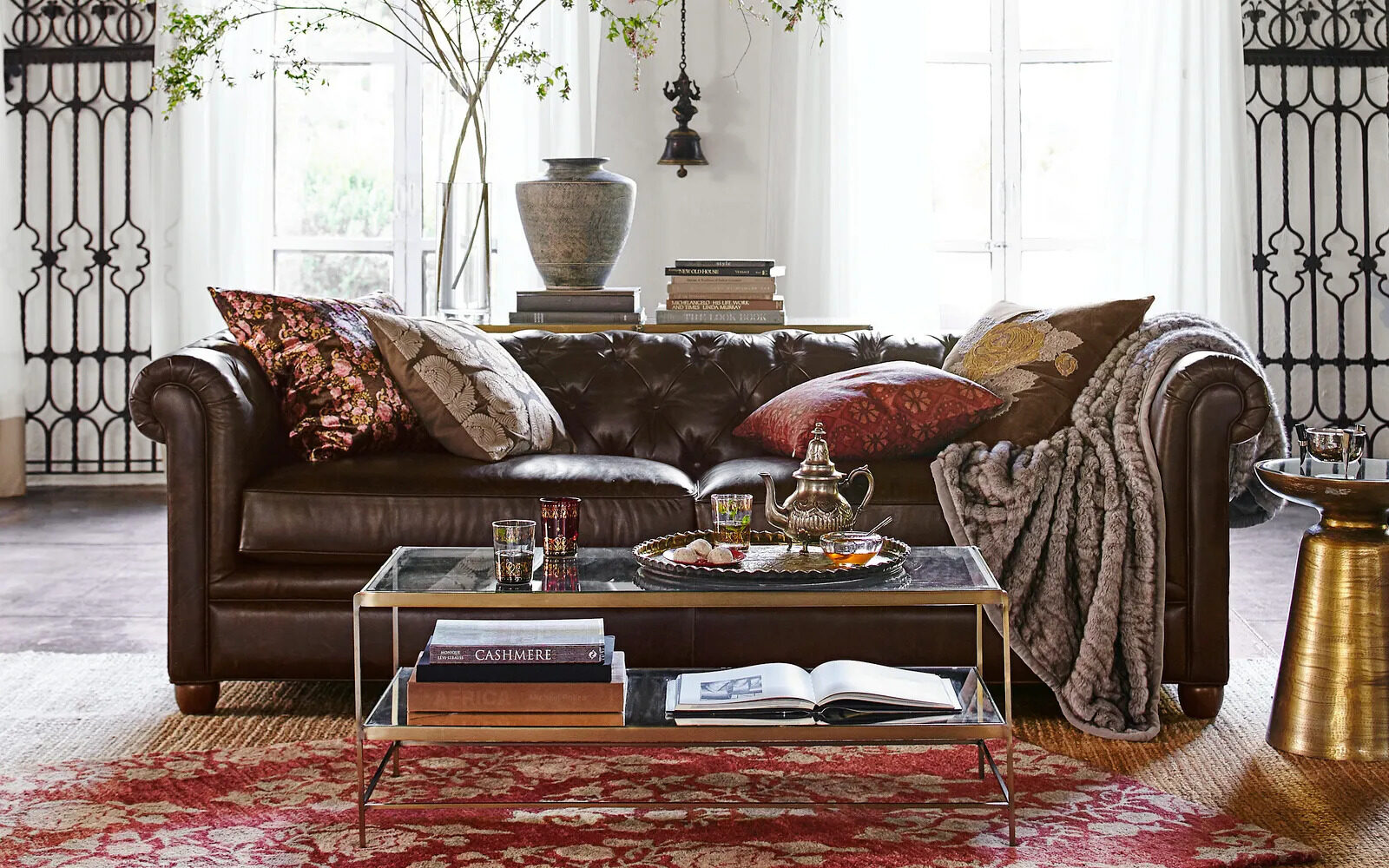
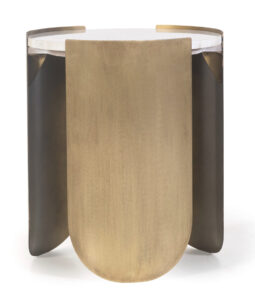
- Living rooms are seeing brass introduced through furniture detailing and sculptural accents. Coffee tables with brass inlay, side tables with brushed brass bases, and consoles framed in antique brass lend visual depth to quieter interiors. Even furniture legs finished in warm metallic tones can elevate an otherwise simple silhouette.
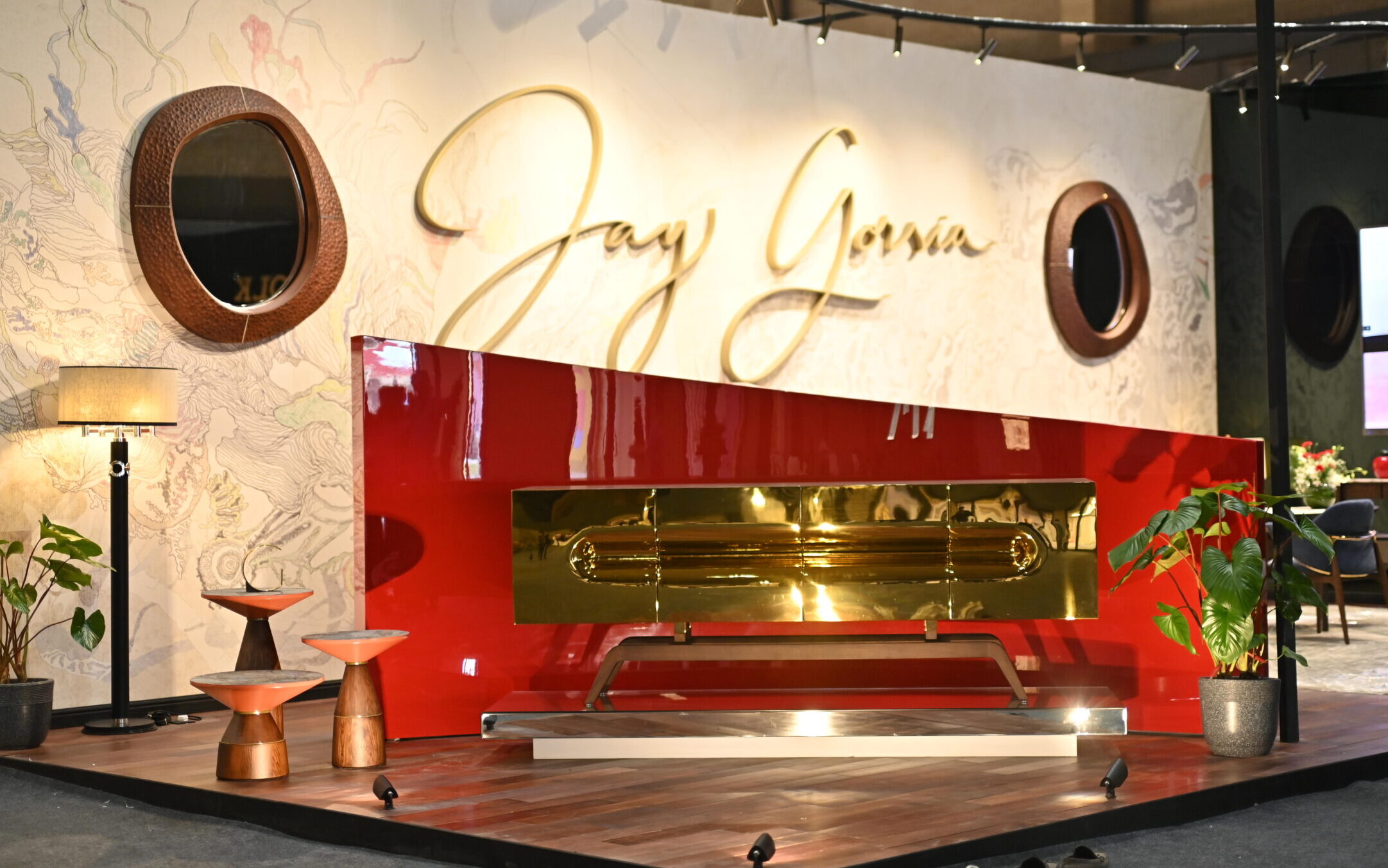
- Wall treatments are where brass is becoming especially expressive. Designers are using brass strips to create geometric paneling across walls, breaking up large surfaces with delicate metallic lines. In softer interiors, brass framed mirrors and oversized wall discs reflect light gently and create a layered effect without overwhelming the room. Some homes are incorporating hand-beaten brass panels as art pieces, allowing texture rather than shine to take centre stage.
- Brass is also appearing unexpectedly in flooring details. Thin brass inlays running between marble slabs or terrazzo tiles add definition and rhythm to the floor. In larger homes, brass borders are sometimes used to subtly separate spaces within open-plan layouts. The effect is quiet but luxurious, especially when paired with natural stone.
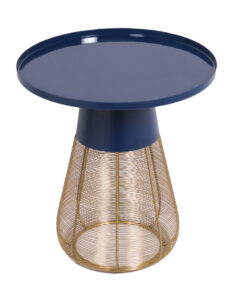
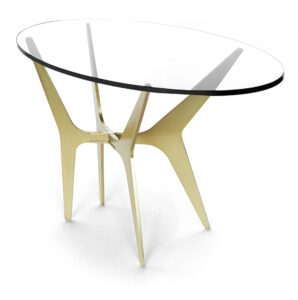
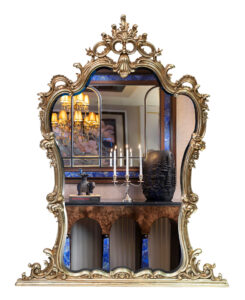
- Staircases too are embracing the material. Brass railings with clean, minimal profiles soften modern staircases made of concrete, wood or blackened steel. In some interiors, brass edging along stair risers catches ambient light beautifully in the evening, adding warmth to transitional spaces often overlooked.
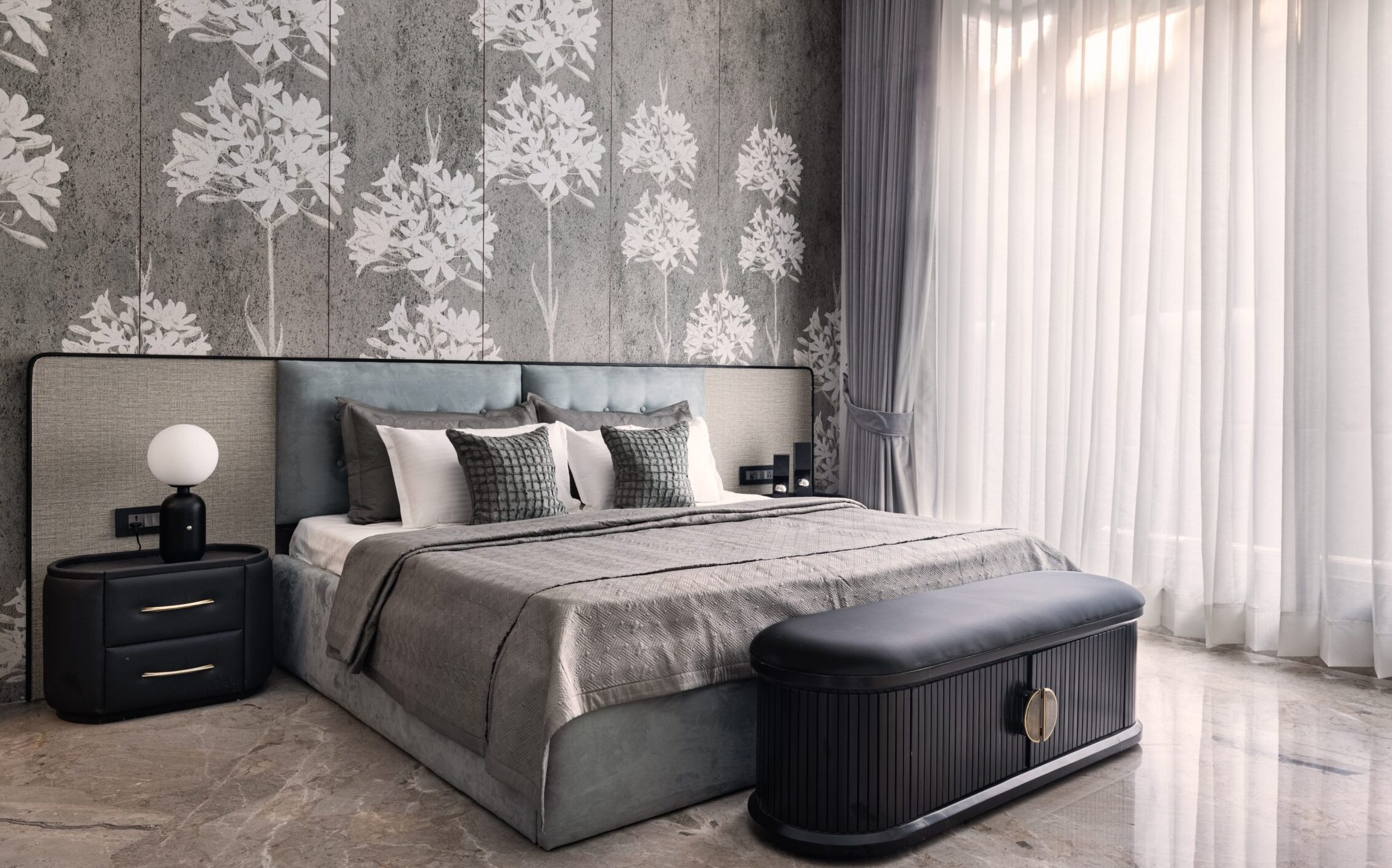
- Lighting remains one of the most powerful applications of brass. Pendant lamps with brushed or aged finishes create a mellow glow that changes character throughout the day. Brass sconces against lime plaster walls or dark wood panelling bring intimacy to bedrooms and hallways. Unlike colder metals, brass reflects light softly, making spaces feel warmer and more inviting.
- Bathrooms are also leaning into brass in increasingly refined ways. Aged brass fixtures paired with natural stone basins, fluted glass partitions and textured tiles create spaces that feel calm and tactile. Brass framed shower enclosures or mirror trims add richness without becoming flashy.
- Even ceilings are beginning to see touches of brass. Delicate brass detailing within false ceilings, suspended light fixtures or decorative ceiling medallions create subtle highlights that draw the eye upward. In dining spaces, this can add a sense of drama without relying on excessive ornamentation.
The beauty of brass lies in how naturally it works with other materials. Against walnut wood it feels rich and earthy. Paired with marble, it becomes elegant and refined. Alongside linen, boucle or lime plaster, it softens and warms a room instantly. It can slip into minimalist homes quietly or amplify the richness of maximal interiors with equal ease.